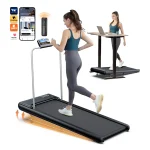


Aploda.com – Walking pads are ultra-slim, non-incline treadmills designed for slow-paced walking while working, whereas under-desk treadmills are more robust, often featuring higher speed capacities and sturdier frames suitable for both walking and light jogging. Choosing between them depends primarily on your daily usage frequency, available office space, and whether you require a machine built for long-term durability or occasional light movement.
Understanding the Core Distinction
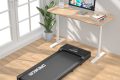
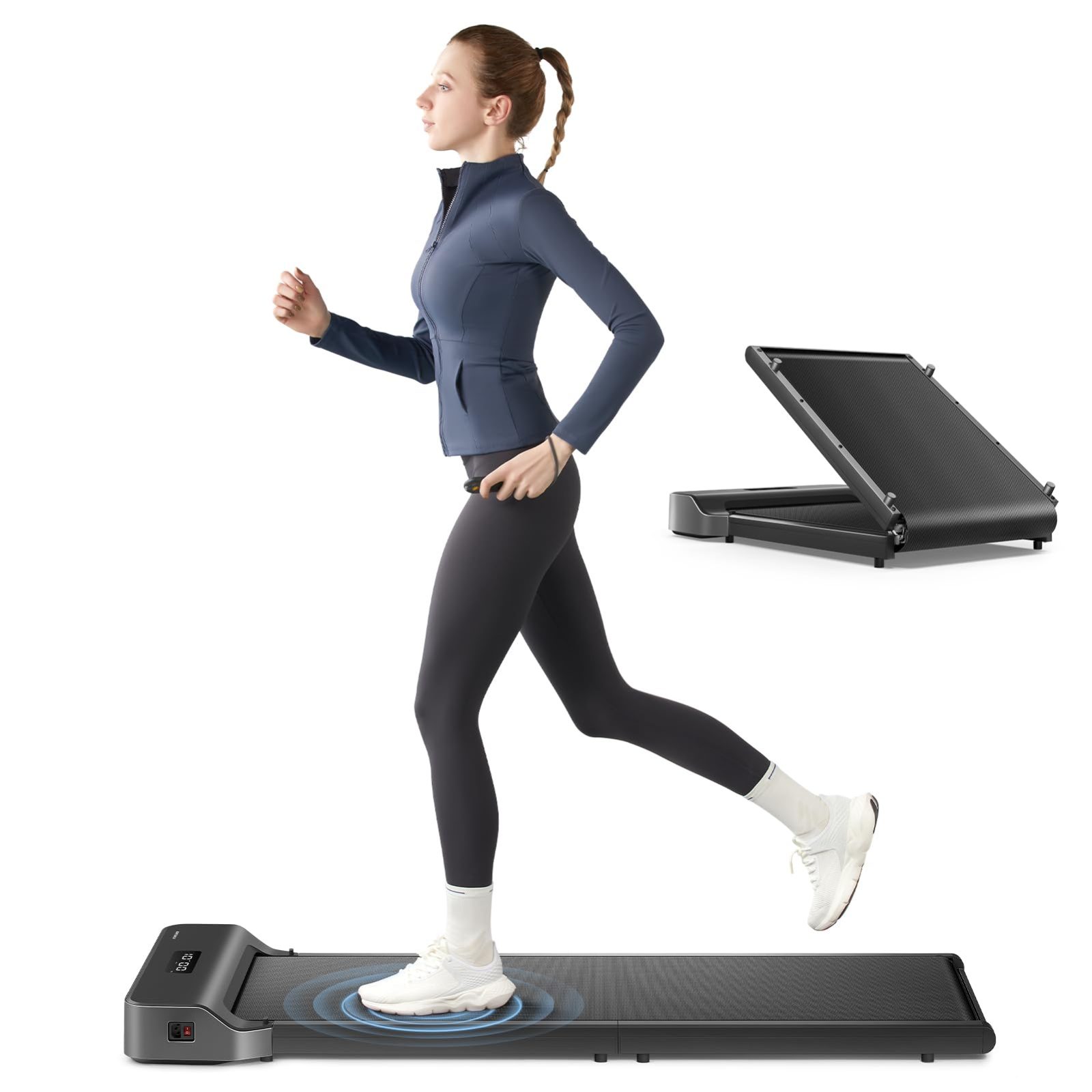
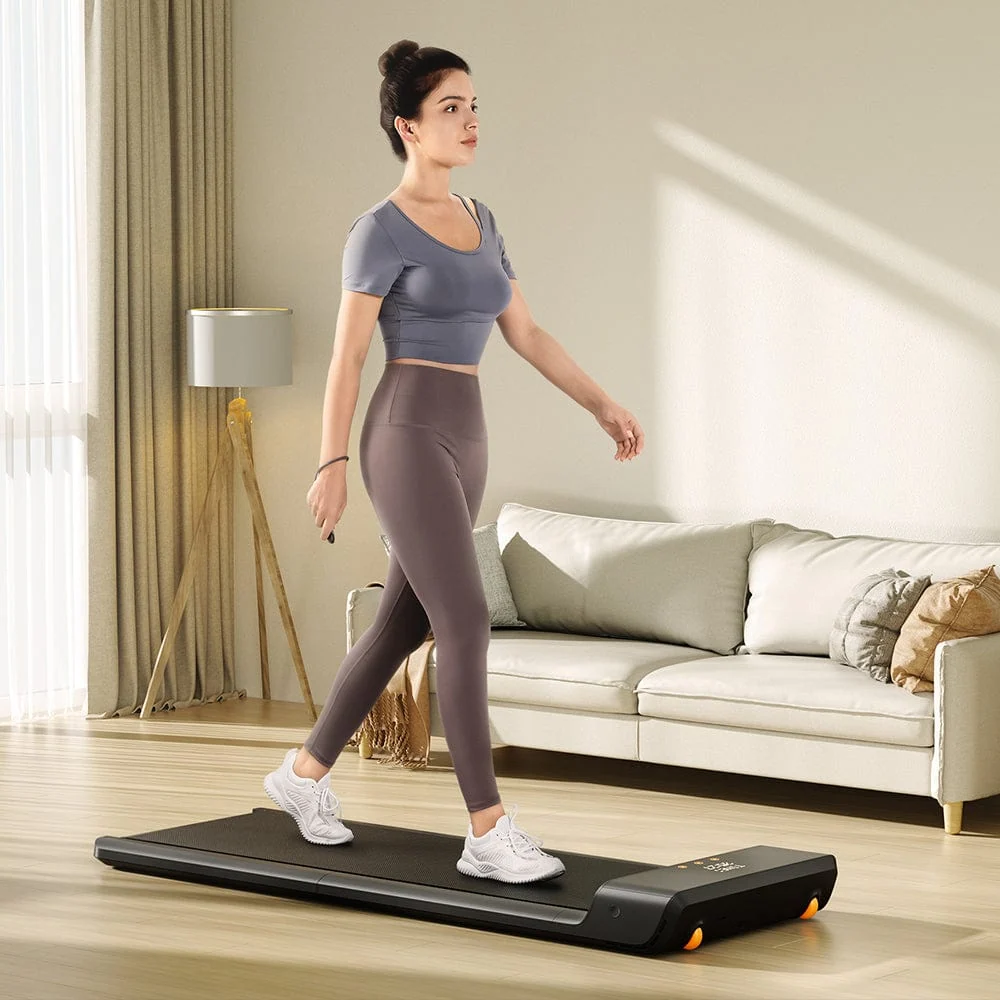
The primary difference between a walking pad and an under-desk treadmill lies in their engineering philosophy. A walking pad is essentially a minimalist piece of fitness equipment. It is designed to be as thin as possible, often under five inches in height, so it can slide easily under a bed or sofa. Because of this slim profile, the motor is typically smaller, and the deck does not have a high weight capacity.
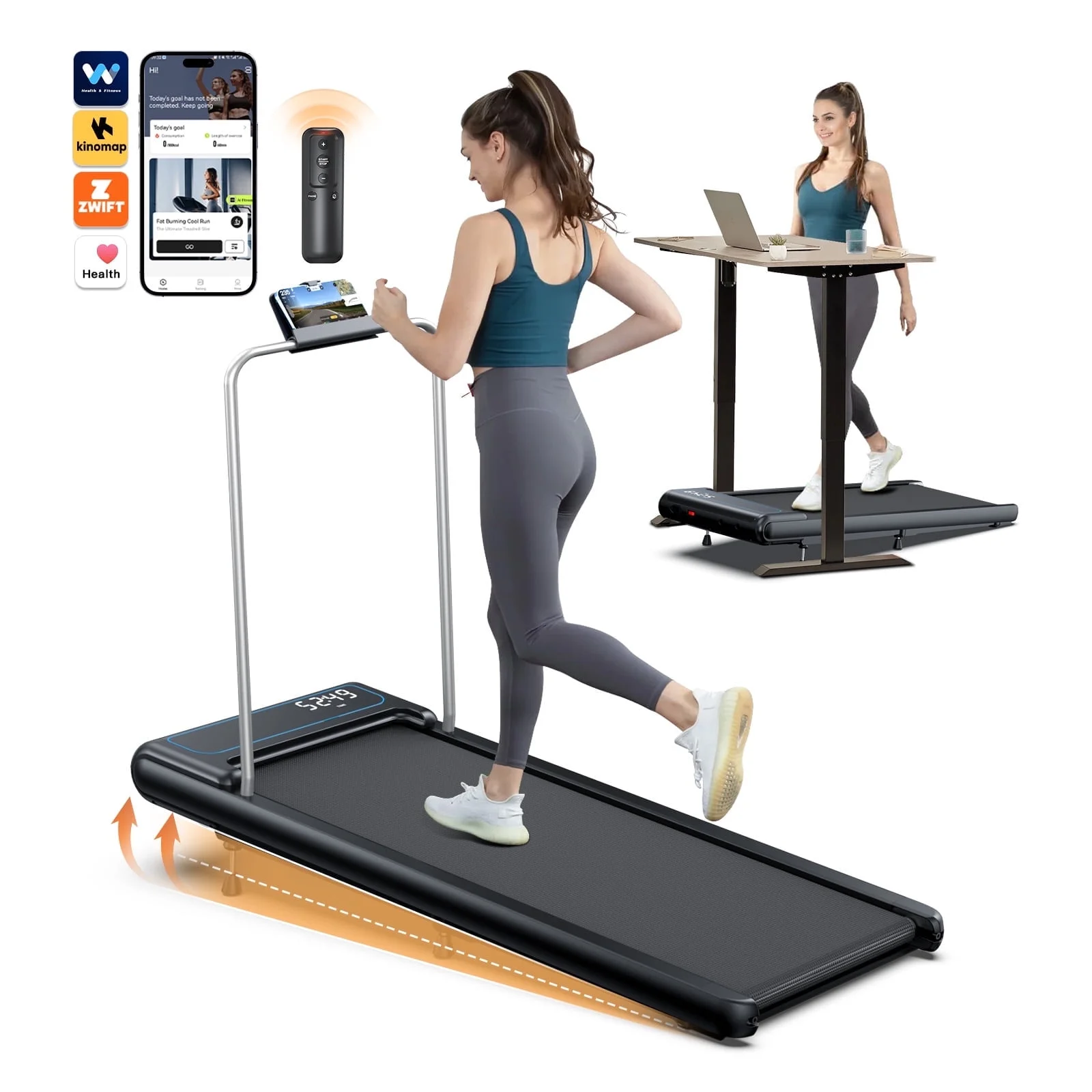
In contrast, an under-desk treadmill is a bridge between a walking pad and a full-sized gym treadmill. These units are usually heavier, feature more powerful motors, and include a more substantial belt surface. They are built for people who intend to walk for several hours a day, every day. While they may not fold as flat as a walking pad, they offer a more stable experience that reduces joint impact during extended use.
Durability and Mechanical Longevity
Durability is the most critical factor when selecting between these two options. A walking pad is often constructed with lighter-weight materials to keep it portable. If you use a budget walking pad for four hours a day, the motor may overheat, or the belt might begin to slip within a few months. These devices are intended for casual movement rather than heavy-duty training.
📷 Photo by snapklik.com
Under-desk treadmills, however, often utilize industrial-grade components. Their motors are designed to run at lower speeds for long durations without burning out. If you weigh more than 200 pounds or plan to use the device as your primary source of daily activity, the extra investment in an under-desk treadmill will pay off in years of extra service life compared to a standard walking pad.
Key Comparison Table
| Feature | Walking Pad | Under-Desk Treadmill |
|---|---|---|
| Profile Height | Ultra-slim (3-5 inches) | Moderate (6-9 inches) |
| Max Speed | 3.0 – 4.0 mph | 4.0 – 7.5 mph |
| Motor Durability | Low to Moderate | High (Continuous Duty) |
| Portability | High (Lightweight) | Low (Often heavy) |
| Best For | Occasional movement | Daily office productivity |
How to Choose the Right Equipment
Selecting the right unit requires an honest assessment of your workspace and your fitness goals. If you live in a small apartment and need to hide your equipment after every use, a walking pad is superior. However, if you have a dedicated home office and want a machine that will not require maintenance or replacement for years, you should prioritize the under-desk treadmill.
Follow these steps to determine the best model for your needs:
- Measure your available floor space, ensuring you have enough length to accommodate a full stride without hitting walls or furniture.
- Check the weight capacity of the unit against your body weight, adding a 20% safety margin to ensure the motor is not constantly straining at its limit.
- Evaluate the noise level of the motor; look for units that explicitly mention “quiet” or “brushless” motors if you plan to use them during conference calls.
- Assess the belt width; a wider belt provides more comfort and safety for those who tend to drift while walking and typing simultaneously.
- Read reviews specifically regarding the “continuous duty” rating of the motor, rather than just the “peak” horsepower, to determine true longevity.
Common Mistakes and Practical Tips
One of the most frequent mistakes users make is failing to lubricate the belt. Regardless of whether you choose a walking pad or a treadmill, the belt requires regular maintenance. Friction between the belt and the deck is the number one cause of motor failure. Every three months, you should apply treadmill-specific silicone lubricant under the belt to ensure smooth operation.
Another issue is ergonomic neglect. Placing a walking pad under a standard desk often forces you to look down, which causes neck strain. If you plan to walk while working, ensure your monitor is at eye level. Additionally, invest in a high-quality pair of walking shoes. Even if you are walking at a slow pace, the repetitive motion on a flat surface requires proper arch support to prevent plantar fasciitis.
Risks of Improper Use
The primary risk when using these devices is overexertion. Because walking feels easier than running, many people walk for five or six hours straight without realizing the cumulative stress on their feet and lower back. Start with 30-minute intervals and gradually increase your duration. If you feel any sharp pain in your shins or heels, take a break immediately, as this is a sign that your footwear or your walking surface is not providing adequate shock absorption.
📷 Photo by uk.walkingpad.com
Frequently Asked Questions
Q: Can I use a walking pad for running?
A: Generally, no. Most walking pads are capped at 3 or 4 mph. Attempting to run on them can damage the motor and poses a safety risk due to the lack of side rails or emergency stop features.
Q: Do these devices require assembly?
A: Most walking pads come fully assembled. Some under-desk treadmills may require you to attach the console or the side handles, but the process is usually simple and takes less than 20 minutes.
Q: How loud are these machines during a Zoom call?
A: A high-quality under-desk treadmill is usually quiet enough for a call if you are walking at a slow pace (under 2 mph). However, cheaper models with vibrating plastic casings can be quite loud and may be picked up by sensitive microphones.
Read also: Desk Footrest vs Balance Board for Active Sitting and Standing
📷 Photo by walmart.com