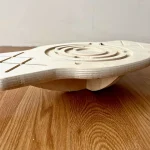


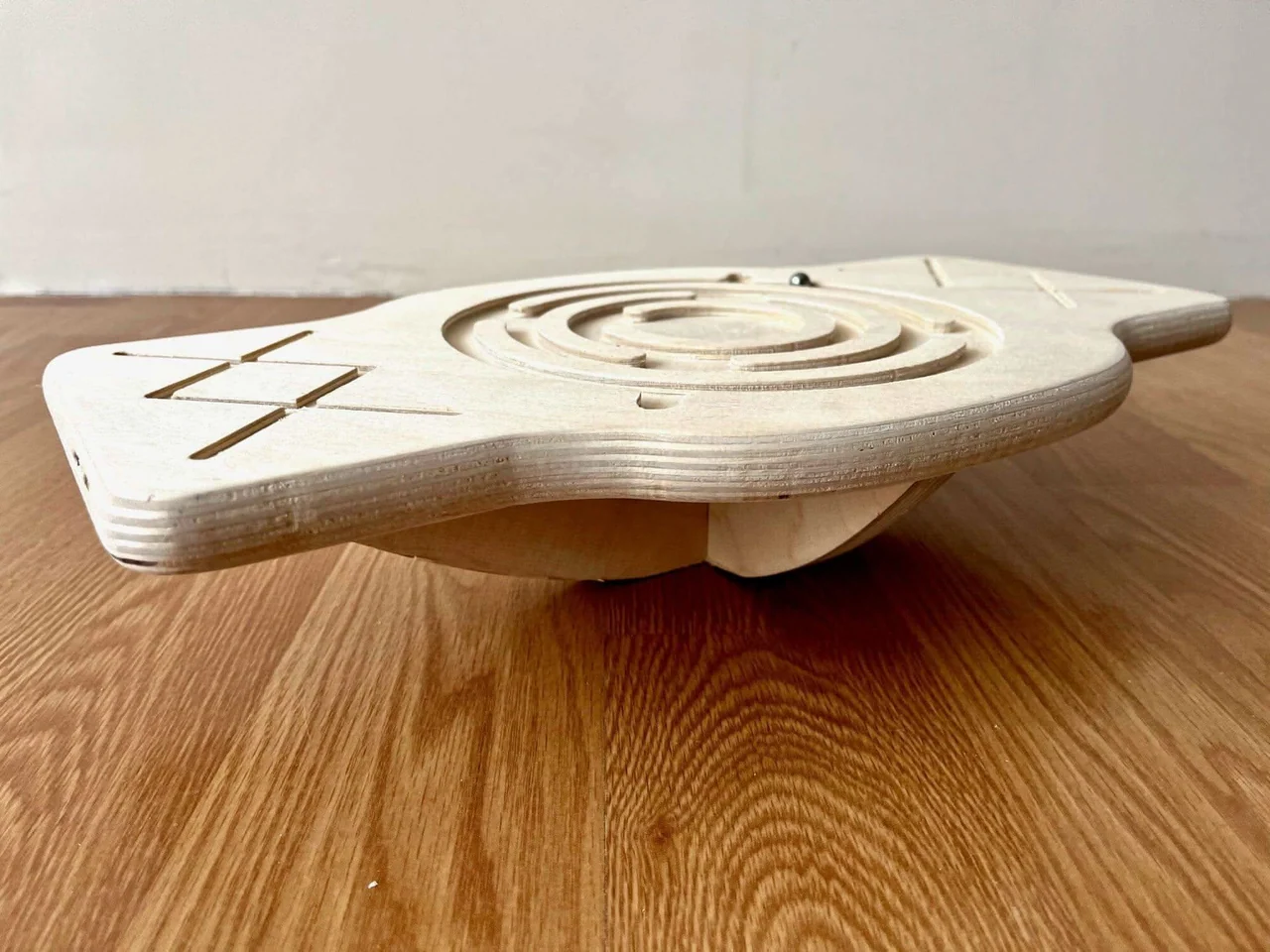
Aploda.com – A balance board for a standing desk provides essential vestibular and proprioceptive input that helps individuals with ADHD regulate their nervous system, ultimately improving focus and task endurance during sedentary work.
For many people with ADHD, the standard office environment—characterized by rigid seating and prolonged stillness—is a recipe for cognitive decline. When the brain is under-stimulated, it often seeks external movement to compensate, leading to foot tapping, chair rocking, or frequent distractions. Integrating a balance board into a standing desk setup transforms the act of standing from a static, tiring posture into an active, engaging physical task.
The Science of Movement and ADHD
The connection between physical movement and cognitive performance is rooted in dopamine regulation. Research suggests that movement helps stimulate the release of neurotransmitters like dopamine and norepinephrine, which are often in short supply in the ADHD brain. By engaging the core and the vestibular system simultaneously, a balance board forces the brain to remain alert to maintain stability. This subtle “active focus” occupies the restless part of the brain, allowing the executive function centers to dedicate more energy to the task at hand.
Why Static Standing Isn’t Enough
While standing desks are popular, standing perfectly still can be just as detrimental as sitting. Static standing often leads to muscle fatigue, joint pain, and “locking” of the knees, which can actually cause more distraction than sitting. A balance board introduces micro-movements—small, unconscious adjustments that keep blood flowing and muscles engaged. This constant, rhythmic oscillation prevents the body from entering a state of stagnation, which is often when the ADHD mind begins to drift toward boredom and distraction.
Comparison of Desk Setups for ADHD
Understanding the difference between common desk configurations can help you determine the best approach for managing your energy levels throughout the workday.
| Setup Type | Impact on ADHD Focus | Physical Engagement |
|---|---|---|
| Standard Chair | Low (High risk of fidgeting) | Minimal |
| Static Standing Desk | Moderate (Fatigue can cause drift) | Low |
| Balance Board + Standing | High (Active nervous system) | Moderate to High |
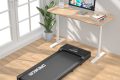
| Under-Desk Treadmill | Very High (Can be distracting) | High |
Practical Steps to Integrate a Balance Board
Transitioning to active standing requires a gradual approach to ensure your muscles adapt without causing injury or overwhelming fatigue. Follow these steps to build a sustainable habit:
- Assess your current fitness level and start with a board that offers a wider, more stable base if you are prone to losing balance.
- Begin with 10-minute intervals of balance board use, alternating between sitting, static standing, and active balancing to avoid muscle burnout.
- Place a thin anti-fatigue mat underneath the board if you are on a hard surface to provide extra cushioning for your feet and joints.
- Focus on “active” balance rather than “tricks”—the goal is subconscious engagement, not complex movements that draw attention away from your computer screen.
- Monitor your concentration levels in a journal for the first week to identify which times of day you benefit most from the movement.
Common Mistakes to Avoid
One of the most frequent mistakes is overestimating your endurance. Trying to stay on a balance board for four hours straight will likely lead to physical exhaustion, which is counterproductive to focus. Use the board as a tool for “mental resets” rather than a permanent state. Additionally, avoid using high-intensity boards that require extreme concentration to stay upright; if the board is too difficult, you will expend all your cognitive bandwidth trying not to fall, leaving none for your actual work.
Signs That a Balance Board is Working for You
How do you know if this investment is paying off? You will likely notice a decrease in “bouncing” or other secondary fidgeting habits. You may find that your thoughts are less scattered during meetings or complex tasks. Furthermore, the physical fatigue that usually sets in by mid-afternoon may feel more like healthy muscle engagement rather than the lethargic, heavy feeling associated with sedentary desk work.
Risks and Safety Considerations
While beneficial, balance boards are not for everyone. Individuals with inner ear issues, vertigo, or chronic ankle instability should consult a professional before incorporating them into their routine. Always ensure your workspace is clear of sharp objects or tripping hazards. If you feel dizzy or notice increased strain in your lower back, stop immediately. It is also essential to ensure your desk is at the correct height; the board adds several inches to your stature, so you must adjust your monitor height to prevent neck strain.
Q: Will a balance board make me too tired to work?
A: When used correctly, it should actually increase your energy levels by boosting circulation. If you feel exhausted, you are likely using the board for too long at once; focus on shorter, intermittent sessions.
Q: Can I use a balance board if I have poor balance?
A: Yes, but choose a beginner-friendly model with a lower range of motion. Many boards designed for office use have a limit on the tilt angle to ensure they are safe for prolonged use while typing.
Q: How does this help with ADHD specifically?
A: It provides “proprioceptive input,” which is sensory information from the joints and muscles. For many with ADHD, this sensory feedback helps calm the brain’s internal drive to seek stimulation, allowing for deeper concentration.
By treating your workspace as a dynamic environment rather than a static station, you can leverage your need for movement as an asset rather than a liability. The balance board is not a cure-all, but for many, it serves as the missing piece in an ADHD-friendly productivity system.
Read also: Standing Desk Converter Keyboard Drop: Finding the Right Ergonomic Drop
📷 Photo by kidodido.com