

Aploda.com – To avoid varicose veins while using an electric standing desk, you must maintain active blood circulation by frequently shifting your weight, incorporating micro-movements, and avoiding static standing periods that exceed 30 to 45 minutes.
The rise of electric standing desks has revolutionized the modern workspace, offering a reprieve from the sedentary nature of traditional office chairs. However, transitioning from sitting all day to standing all day introduces a new set of physical challenges. Varicose veins occur when the valves in your veins weaken or become damaged, causing blood to pool in the lower extremities. When you stand in one position for an extended period, gravity works against your venous return, placing immense pressure on the veins in your legs and ankles.
The Physiology of Venous Pressure
When you stand still, your calf muscles are not contracting. These muscles act as a pump, helping to push deoxygenated blood back up to the heart against the force of gravity. Without this rhythmic contraction, blood stagnates in the superficial veins of the legs. Over time, this chronic venous hypertension stretches the vein walls, leading to the visible, twisted, and often painful appearance of varicose veins. The key to mitigating this risk is not to abandon the standing desk, but to revolutionize how you utilize it.
📷 Photo by vari.com
Practical Strategies for Dynamic Standing
Static standing is arguably as detrimental as static sitting. The human body is designed for movement, not for remaining in a fixed vertical position for hours on end. To maintain venous health, you must adopt a protocol of dynamic movement throughout your workday.
📷 Photo by vari.com
- Implement the 20-8-2 Rule: For every 30 minutes, spend 20 minutes sitting, 8 minutes standing, and 2 minutes moving or stretching. This cycle ensures that no single muscle group remains static for too long.
- Utilize an Anti-Fatigue Mat: Invest in a high-quality, cushioned mat. These mats encourage subtle, unconscious micro-movements in your legs and feet, which keeps the calf muscle pump active.
- Wear Compression Stockings: If you have a family history of vein issues, medical-grade compression socks provide external pressure that prevents blood from pooling in the lower legs, even during prolonged standing.
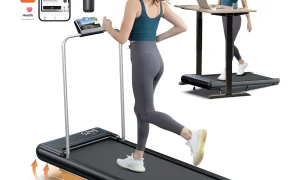
- Engage in Calf Raises: Perform 10 to 15 calf raises every hour while at your desk. This simple exercise forces the calf muscles to contract and pump blood back toward your heart.
- Shift Your Weight Often: Avoid locking your knees. Instead, shift your weight from foot to foot or adopt a staggered stance, keeping one foot slightly ahead of the other to distribute pressure more evenly.
Comparison of Workspace Ergonomics
Understanding how different positions affect your vascular system is essential for long-term health. The following table illustrates the impact of various desk habits on venous pressure.
| Posture | Venous Impact | Risk Level |
|---|---|---|
| Static Sitting | High (restricted blood flow) | Moderate |
| Static Standing | Very High (gravity pooling) | High |
| Dynamic Standing | Low (active muscle pump) | Low |
| Walking/Moving | Minimal (optimal circulation) | Very Low |
Common Mistakes That Exacerbate Vein Issues
Many users make the mistake of standing for the entire duration of their workday, believing that more standing is inherently better. This is a common misconception. Standing for four hours straight is significantly more taxing on your venous system than alternating between sitting and standing. Another error is wearing improper footwear. High heels or completely flat, unsupportive shoes offer no arch support. Proper arch support is vital because it helps maintain the natural alignment of the leg, which in turn supports efficient blood flow.
Furthermore, ignoring the early warning signs is a common pitfall. If you notice a dull ache, heaviness in your legs, or visible spider veins appearing after a week of standing, your body is signaling that your current routine is unsustainable. Do not wait for the veins to bulge before adjusting your habits.
Hydration and Nutrition Factors
Blood volume and viscosity play a significant role in how well your veins function. Dehydration makes blood thicker, which makes it harder for your veins to pump it back to the heart. Ensure you are drinking adequate water throughout the day. Additionally, incorporating foods rich in flavonoids, such as blueberries, spinach, and citrus fruits, can help strengthen the walls of your blood vessels. Maintaining a healthy weight also reduces the direct pressure on your lower extremity veins, making it easier for your body to manage the demands of a standing desk.
When to Seek Professional Advice
While preventative measures are effective, they cannot reverse existing severe vein damage. If you notice significant swelling (edema) in your ankles, skin discoloration around the veins, or persistent pain, it is time to consult a vascular specialist. They can assess your venous reflux and determine if your standing desk habits are the primary driver of your discomfort or if there is an underlying genetic predisposition that requires medical intervention.
📷 Photo by amazon.com
Q: Is it better to stand or sit if I have a history of varicose veins?
A: Neither is ideal if done statically. The best approach is to transition frequently between sitting and standing, aiming for a 50/50 split with constant movement like calf raises and walking breaks.
Q: Can an anti-fatigue mat really prevent varicose veins?
A: Yes, it helps. By providing a soft surface, it forces your leg muscles to make constant, tiny adjustments to maintain balance, which facilitates better blood circulation compared to standing on a hard floor.
Q: Should I wear compression socks even if I don’t have varicose veins yet?
A: If you spend more than four hours a day standing, wearing light compression socks can be an excellent preventative measure to reduce leg fatigue and support healthy blood flow.
📷 Photo by walmart.com