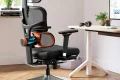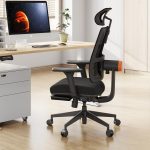



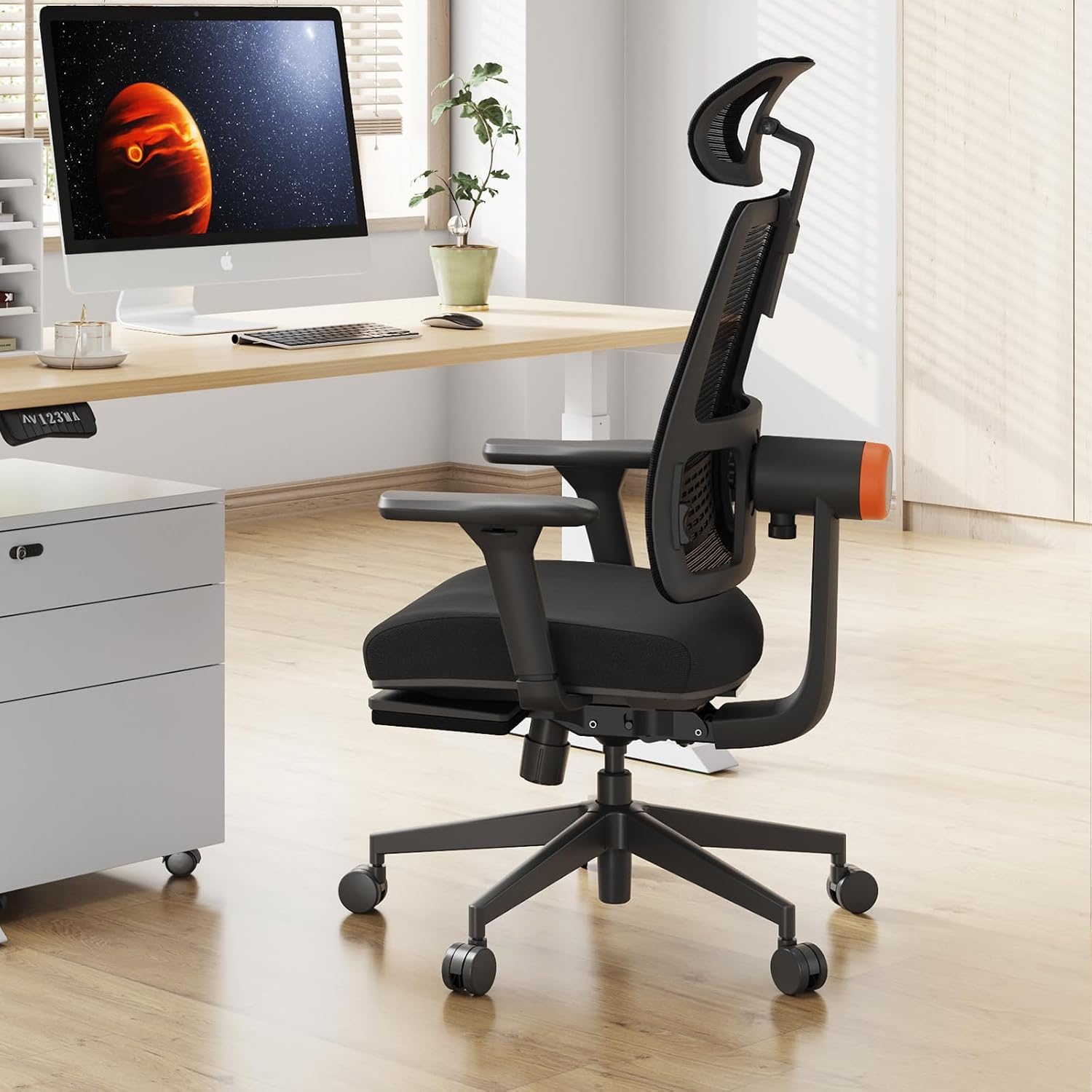
Aploda.com – A big and tall ergonomic office chair with a 400 lbs weight capacity is a heavy-duty seating solution engineered with reinforced steel frames, high-density foam, and wider dimensions to provide stable support and spinal alignment for larger individuals.
Selecting the right office chair is more than just a matter of comfort; it is a critical investment in your long-term musculoskeletal health. For individuals requiring a higher weight capacity, standard office chairs often fail to provide the structural integrity needed for daily use. A specialized big and tall chair addresses these issues by incorporating industrial-grade components that ensure safety, durability, and ergonomic functionality.
Why Standard Chairs Fall Short
Standard office chairs are typically tested for users weighing up to 250 or 300 pounds. When a person exceeding these limits uses a standard chair, the gas cylinder may sink prematurely, the casters might break, or the seat pan may lose its cushioning density within months. Beyond the risk of mechanical failure, standard chairs often have narrow backrests and seat cushions that can lead to poor posture, restricted blood flow, and chronic back pain.
A chair designed for a 400 lbs capacity features a wider seat base, a reinforced metal base (often aluminum or heavy-duty steel), and a class-4 gas lift. These features are not merely luxuries; they are essential for maintaining a neutral spine position and preventing the chair from wobbling or tilting unexpectedly.
Key Specifications for Heavy-Duty Chairs
When shopping for a chair in this category, it is vital to look beyond the weight rating. You should prioritize the quality of materials and the adjustability of the ergonomic features. The following table highlights the essential specifications to look for when evaluating potential options.
| Feature | Standard Chair | Big & Tall 400 lbs Chair |
|---|---|---|
| Seat Width | 18-20 inches | 22-26 inches |
| Frame Material | Plastic/Reinforced Nylon | Steel or Heavy-Duty Aluminum |
| Gas Lift Class | Class 2 or 3 | Class 4 (Industrial Grade) |
| Base Type | Nylon 5-Star | Reinforced Steel 5-Star |
| Cushion Density | Low/Medium | High-Density Molded Foam |
Critical Ergonomic Adjustments
Even the most expensive chair will not provide comfort if it is not adjusted to your specific body measurements. Ergonomics is the science of fitting the workplace to the user, not the other way around. To achieve an optimal setup, follow these steps to calibrate your big and tall chair for maximum support.
- Adjust the seat height so that your feet rest flat on the floor and your knees are at a 90-degree angle, preventing pressure on the back of your thighs.
- Set the seat depth by ensuring there is a two-finger gap between the edge of the seat and the back of your knees, which promotes proper circulation.
- Position the lumbar support so it aligns with the natural inward curve of your lower back, providing essential support to the lumbar vertebrae.
- Adjust the armrests so your shoulders remain relaxed and your elbows are bent at approximately 90 degrees while typing or using the mouse.
- Use the tilt tension knob to set the resistance of the recline, ensuring you can lean back safely without feeling as though the chair is tipping over.
Common Mistakes When Choosing a Chair
One of the most frequent mistakes users make is prioritizing aesthetics over structural certification. A chair might look sturdy, but if it lacks BIFMA (Business and Institutional Furniture Manufacturers Association) certification, it may not meet the safety standards required for heavy-duty use. Always verify if the manufacturer has performed stress tests specifically for the 400 lbs weight class.
Another mistake is ignoring the fabric type. For heavy-duty use, leather can sometimes trap heat, while standard mesh may stretch or sag under constant high-pressure weight. Opting for high-quality breathable fabrics or reinforced mesh with a high tensile strength is usually the best approach for long-term comfort and durability.
Maintenance Tips for Longevity
To ensure your high-capacity chair lasts for years, perform a routine maintenance check every three months. Tighten all bolts and screws, as the vibrations from sitting down can loosen hardware over time. Furthermore, keep the casters free of debris, such as hair or carpet fibers, which can cause the wheels to jam and put unnecessary stress on the base of the chair. Lubricating the tilt mechanism occasionally will also prevent squeaking and ensure smooth operation.
Health Risks of Improper Seating
Using an unsuitable chair for extended periods can lead to serious health consequences, including sciatica, herniated discs, and chronic neck strain. For larger individuals, the risk is compounded by the tendency of standard chairs to force the body into a hunched position. By investing in a big and tall ergonomic chair, you are essentially creating a supportive environment that encourages movement, reduces sedentary fatigue, and protects your long-term spinal health.
Q: Is a 400 lbs capacity chair necessary if I weigh 300 lbs?
A: Yes, it is recommended. Chairs rated for 400 lbs are built with more durable components that won’t wear out as quickly, providing a better return on investment and a more stable experience than chairs rated exactly for your weight.
Q: How do I know if the chair is truly ergonomic?
A: A true ergonomic chair must have adjustable height, adjustable armrests, and dedicated lumbar support. If a chair lacks these basic adjustments, it will fail to provide the necessary support for long-term daily use.
Q: Does the material of the seat cushion matter for weight capacity?
A: Absolutely. High-density molded foam is essential because it resists compression over time. Cheap, low-density foam will flatten quickly, causing you to sit directly on the hard frame of the seat pan, which causes discomfort and poor posture.
Ultimately, your chair is the foundation of your productivity. By choosing a chair that is specifically engineered to accommodate your stature, you are not just buying a piece of furniture; you are prioritizing your physical well-being and ensuring that your workspace remains a place of efficiency rather than physical strain.
📷 Photo by ubuy.pe