


Aploda.com – An under desk bike is generally quieter and more conducive to deep focus tasks due to its fluid, low-impact motion, while an under desk treadmill offers superior calorie burn but produces more mechanical noise and requires greater physical coordination.
Choosing between an under desk bike and an under desk treadmill is a decision that balances physical health goals against the practical realities of an office environment. Both pieces of equipment aim to combat the sedentary nature of modern desk jobs, yet they interact with your workspace and cognitive performance in fundamentally different ways.
The Noise Factor: Silence vs. Mechanical Hum
Noise is often the deciding factor for those working in open-plan offices or shared living spaces. Under desk bikes typically utilize magnetic resistance systems, which are virtually silent. Because the motion is circular and fluid, there is no rhythmic thumping or mechanical grinding, making them ideal for long conference calls where you need to appear composed while pedaling.
📷 Photo by amazon.ca
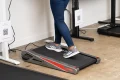
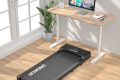
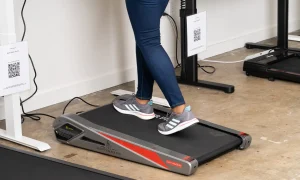
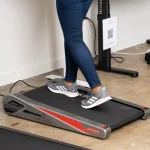
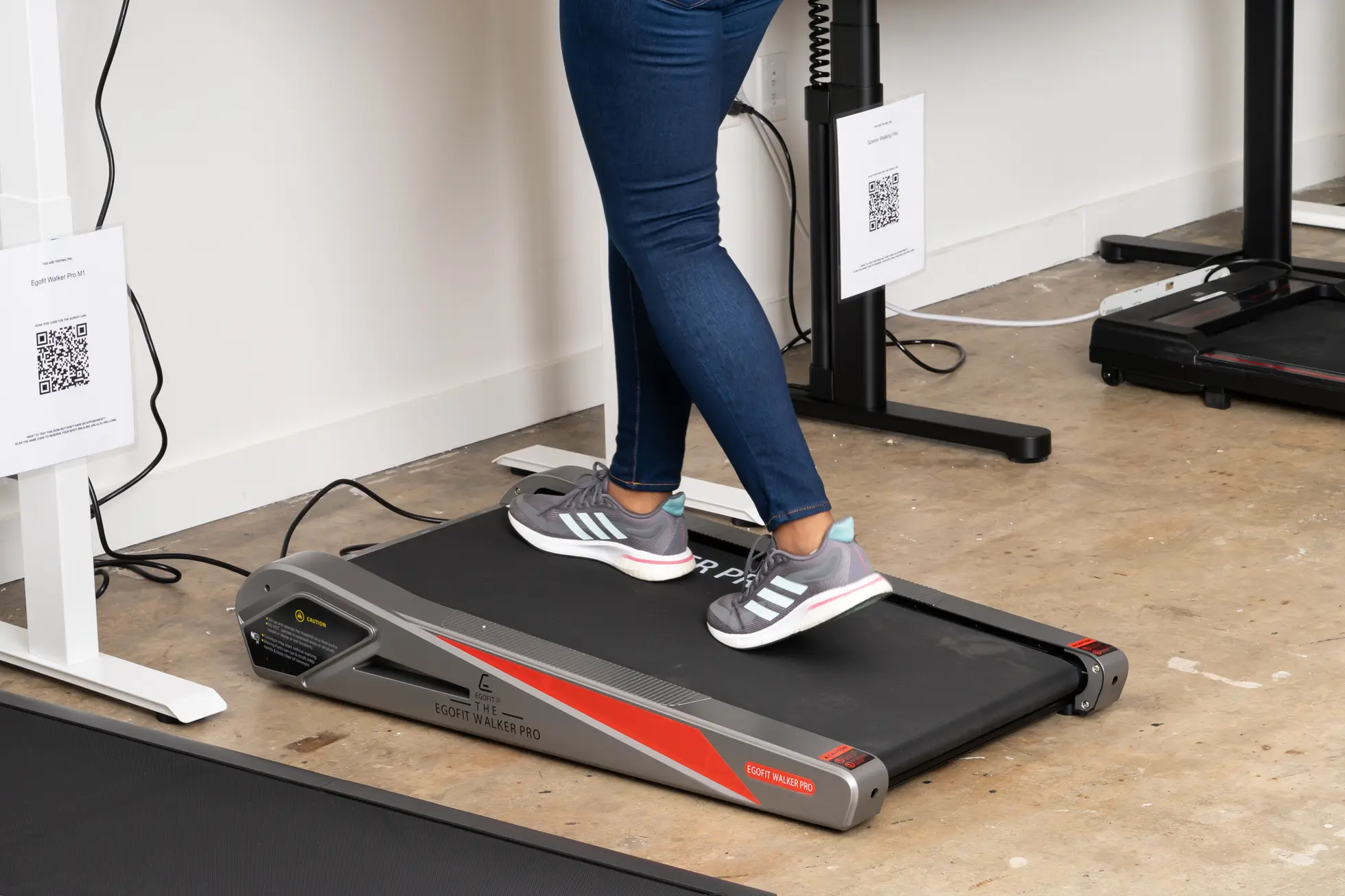
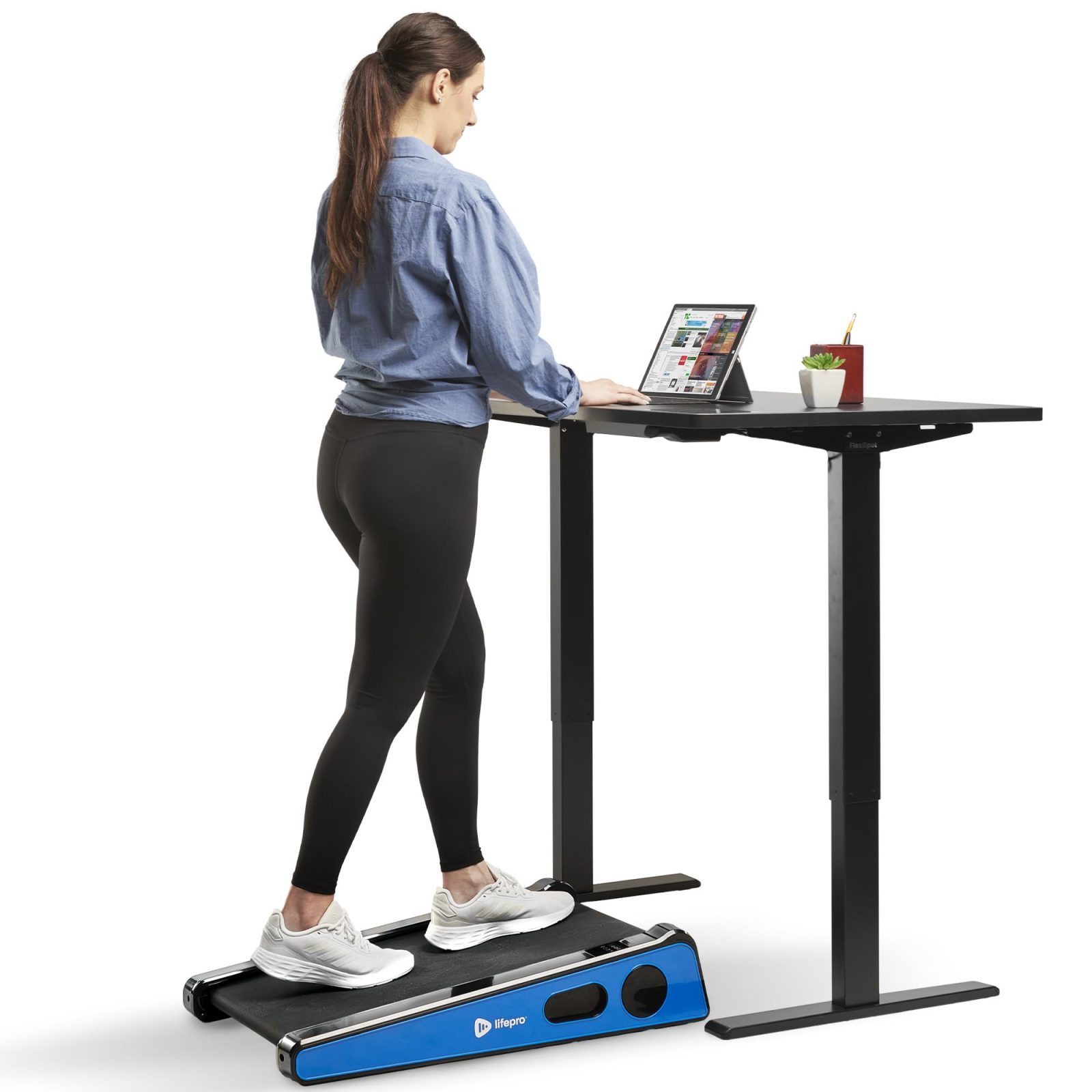
In contrast, under desk treadmills rely on a motor to move the belt. Even high-end models produce a consistent whirring sound from the motor and a distinct thumping sound as your feet strike the deck. While the noise is manageable for solo work, it can become a distraction during voice-sensitive tasks or if you are working near colleagues who are easily bothered by background sounds.
Productivity and Cognitive Load
Productivity fluctuates differently depending on the device you choose. Cycling under a desk is a low-impact, seated activity. Because your upper body remains relatively stable, it is easier to maintain precise mouse control and keyboard accuracy. Many users find that the rhythmic motion of pedaling acts as a “fidget” mechanism, which can actually improve focus during repetitive or mundane administrative tasks.
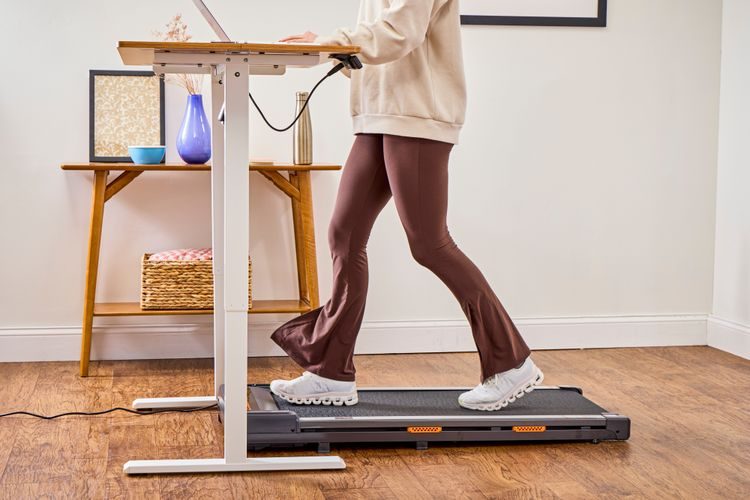
Walking on a treadmill requires more physical coordination and balance. While “walking and working” is popular, it often forces you to slow your typing speed or adjust your monitor height to prevent neck strain. Complex tasks that require intense creative concentration or high-precision design work are often harder to perform while walking, as the movement can cause subtle tremors in your hands or fatigue that distracts from the task at hand.
📷 Photo by verywellfit.com
Comparison Summary
| Feature | Under Desk Bike | Under Desk Treadmill |
|---|---|---|
| Noise Level | Near Silent | Low to Moderate |
| Primary Benefit | Joint-friendly, Easy focus | Higher calorie burn |
| Best For | Meetings, Typing, Focused work | Casual browsing, Email, Calls |
| Stability | High (Seated) | Moderate (Requires balance) |
Practical Implementation Guide
To successfully integrate active equipment into your workflow without sacrificing productivity, follow these steps:
- Assess your workspace height: Ensure your desk can be raised high enough to accommodate the height of the device plus your legs or stride to avoid knee-bumping.
- Start in short intervals: Do not attempt an eight-hour session on day one. Begin with 20-minute sessions to gauge how your body and your work quality react.
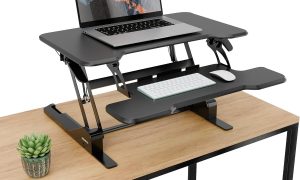
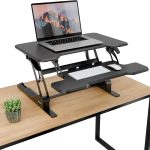
- Optimize your ergonomics: If using a treadmill, use a standing desk converter to keep your eyes level with the screen; if using a bike, ensure your seat height allows for a slight bend in the knee to prevent hip strain.
- Sync with your calendar: Reserve the active equipment for low-intensity tasks like clearing emails or attending webinars, and switch to a stationary chair for high-stakes creative projects.
Common Pitfalls and Risks
One of the most common mistakes is ignoring posture. When using an under desk bike, users often slouch, which negates the ergonomic benefits and can lead to lower back pain. Always ensure your chair has proper lumbar support. With treadmills, the temptation to walk too fast is high; walking at a pace above 2.0 mph often makes typing difficult and increases the risk of tripping or losing balance.
Hydration is another frequently overlooked aspect. Because these devices increase your core temperature, you may find yourself perspiring more than you realize. Keep a water bottle within reach, but ensure it is in a spill-proof container to protect your office equipment from accidents.
Maintenance and Longevity
Under desk bikes require very little maintenance beyond the occasional tightening of bolts or checking the pedal straps. Treadmills, however, are mechanical beasts. They require regular lubrication of the belt and deck to prevent friction, which can lead to overheating and premature motor failure. If you choose a treadmill, be prepared to dedicate time to monthly maintenance tasks to keep it running smoothly.
Frequently Asked Questions
Q: Can I use an under desk bike while wearing formal office attire?
A: Yes, bikes are generally safer for dress slacks or skirts, as there is no risk of the fabric getting caught in a moving belt, and the seated position prevents wrinkling or excessive sweating.
Q: Will my heart rate increase enough to count as a workout?
A: While neither device is designed for high-intensity training, an under desk treadmill will elevate your heart rate significantly more than a bike, potentially entering the “light cardio” zone depending on your pace and incline settings.
Q: Which device is better for someone with knee pain?
A: An under desk bike is typically recommended for those with knee issues because it provides low-impact, circular motion that strengthens the muscles around the joint without the repetitive impact of walking on a treadmill deck.
Ultimately, the choice depends on your specific office environment and the nature of your workload. If your day is defined by back-to-back Zoom calls and high-precision typing, the under desk bike is the superior choice for its silence and stability. If your goal is to maximize physical movement and you have a more flexible, task-based schedule, the under desk treadmill provides a more robust cardiovascular benefit.
📷 Photo by nytimes.com