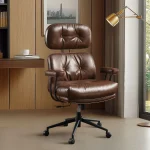




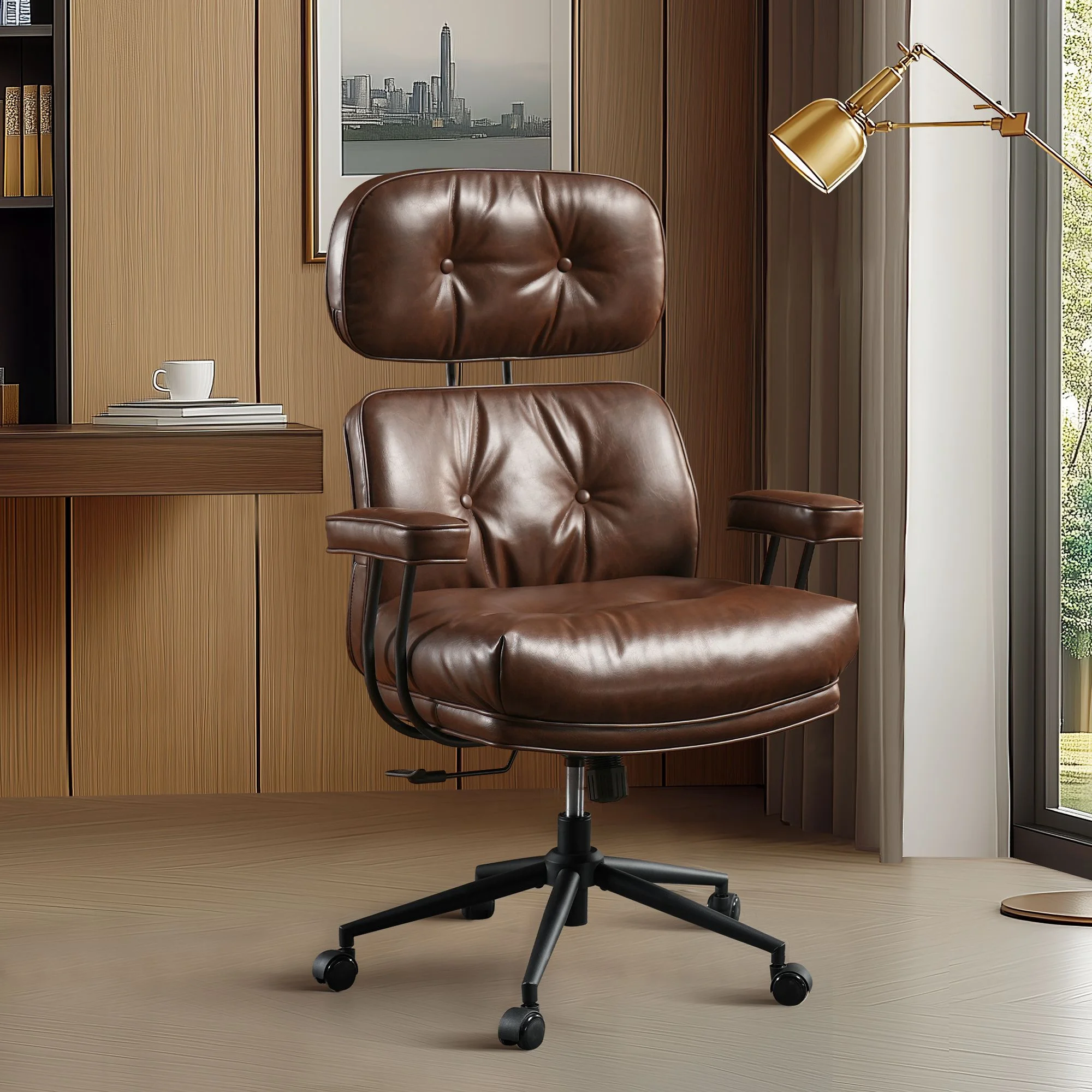
Aploda.com – Genuine leather ergonomic office chairs offer superior durability and breathability with a lifespan of 10 to 20 years, whereas faux PU leather chairs typically degrade, peel, or crack within 3 to 5 years of regular use.
Choosing between genuine leather and faux PU leather is one of the most significant decisions when investing in an ergonomic office chair. While the initial price tag often drives this decision, the long-term value, comfort, and physical integrity of the material reveal a stark contrast between the two options. Understanding the molecular structure and maintenance requirements of these materials is essential for anyone spending eight or more hours a day at a desk.
The Anatomy of Genuine Leather
Genuine leather, derived from animal hides, is a natural, fibrous material. Its primary advantage lies in its ability to breathe. Because it is porous, it allows air circulation, which prevents heat buildup—a common issue during long work sessions. Over time, genuine leather does not just wear out; it develops a patina, a unique sheen that signifies the material is maturing. With proper conditioning, it remains supple and resistant to the structural breakdown that plagues synthetic alternatives.
However, genuine leather is not without its demands. It is sensitive to direct sunlight and extreme temperature fluctuations, which can cause it to dry out and eventually crack if neglected. Despite these maintenance requirements, a high-quality leather chair is often considered an heirloom piece. When the mechanical components of the chair eventually fail, the leather itself can often be repurposed or reupholstered, retaining its value.
The Reality of Faux PU Leather
Polyurethane (PU) leather is a synthetic material made by coating a fabric base with a plastic polymer. It is designed to mimic the aesthetic of genuine leather at a fraction of the cost. While it is undeniably easier to clean and resistant to spills, it lacks the structural integrity of natural hide. The biggest issue with PU leather is the “hydrolysis” process. Over time, the chemical bonds in the plastic coating break down due to contact with body oils, sweat, and friction.
This breakdown manifests as visible peeling, flaking, and stickiness. Once a PU leather chair begins to peel, there is no way to repair it. The material essentially reaches the end of its life cycle, leaving the user with an unsightly, uncomfortable chair that sheds plastic flakes onto their clothes and floor. For a professional environment, this degradation can make a workspace look unkempt and unprofessional in a relatively short period.
Material Comparison Table
| Feature | Genuine Leather | Faux PU Leather |
|---|---|---|
| Lifespan | 10–20 Years | 3–5 Years |
| Breathability | High (Natural pores) | Low (Traps heat) |
| Maintenance | Requires conditioning | Wipe clean only |
| Durability | Resistant to tearing | Prone to peeling/cracking |
| Comfort | Improves with age | Degrades over time |
Practical Steps to Maintain Your Chair
Regardless of the material you choose, how you treat your chair will determine its longevity. If you opt for genuine leather, your routine must be consistent to keep the fibers from becoming brittle. If you choose PU leather, your goal is to minimize the chemical breakdown of the synthetic coating.
- Weekly Cleaning: Use a soft, dry microfiber cloth to remove dust and debris from the crevices where sweat and skin oils tend to accumulate.
- Strategic Positioning: Keep your chair away from direct sunlight or heating vents, as UV rays and heat accelerate the aging process for both natural and synthetic materials.
- Conditioning (Genuine Leather Only): Apply a high-quality leather conditioner every six months to replenish natural oils and maintain the material’s elasticity.
- Avoid Harsh Chemicals: Never use alcohol-based cleaners or bleach on either material, as these will strip the protective finish and cause immediate damage to PU leather or dry out genuine leather.
- Weight Distribution: Ensure the chair’s tension and height adjustments are calibrated to your weight to prevent excessive stress on the seams and the leather surface.
Common Mistakes and Risks
One of the most frequent mistakes users make is assuming that “bonded leather” is the same as “genuine leather.” Bonded leather is often a mixture of leather scraps and synthetic binders. It shares many of the same failure points as PU leather, such as peeling and cracking, but is marketed to sound premium. Always check the label for “full-grain” or “top-grain” to ensure you are getting the durability associated with genuine hide.
Another risk is over-cleaning. While hygiene is important, using excessive amounts of water or commercial sprays can seep into the stitching. If moisture gets trapped beneath the surface, it can lead to mold growth in natural leather or cause the backing of PU leather to separate from the top layer prematurely.
Frequently Asked Questions
Q: Why does my faux leather chair feel sticky after a few years?
A: The stickiness is a sign of chemical degradation known as hydrolysis, where the polyurethane layer reacts with humidity, heat, and body oils, causing the plastic to revert to a soft, tacky state before it begins to peel.
Q: Is genuine leather always better for ergonomics?
A: While the material itself doesn’t change the frame’s ergonomics, the breathability of genuine leather prevents the discomfort of “sweaty back,” which allows you to focus better and maintain better posture without constantly shifting to find a cool spot.
Q: Can I repair a peeling PU leather chair?
A: Unfortunately, there is no permanent way to repair peeling PU leather. You can use patches or fabric covers to hide the damage, but the structural degradation will continue to spread across the rest of the chair’s surface.
Investing in an ergonomic chair is an investment in your long-term spinal health. While genuine leather requires a higher upfront expenditure and a commitment to maintenance, its ability to withstand decades of use makes it the more economical choice in the long run. Faux leather may serve as a temporary solution for a home office on a budget, but it is rarely a permanent fixture for the dedicated professional.
📷 Photo by walmart.com