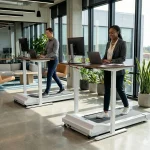


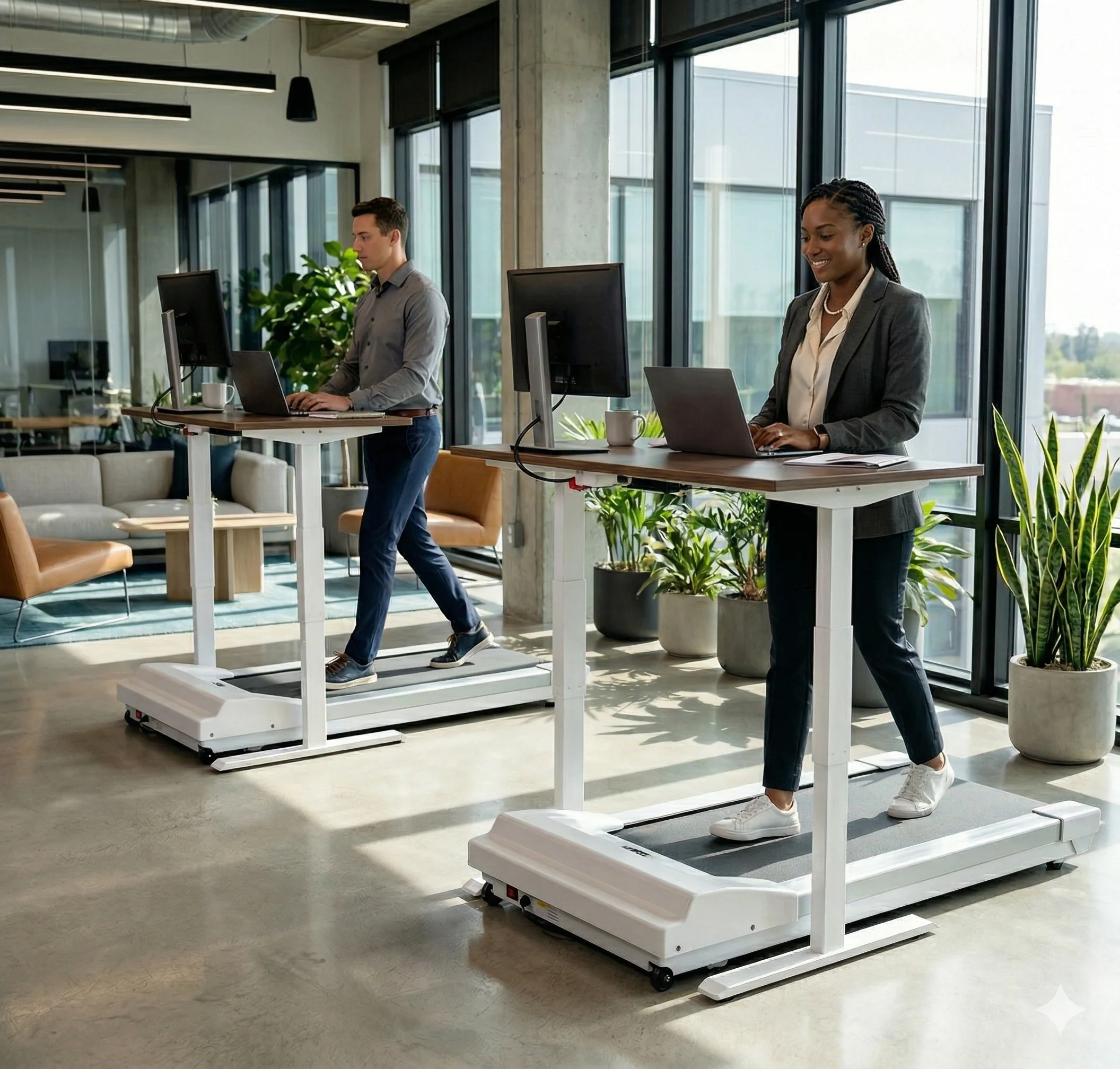
Aploda.com – Under desk treadmills promote a neutral, upright spinal alignment during sedentary work, whereas outdoor walking introduces variable terrain that engages core stabilizers and improves dynamic balance through natural gait adaptations.
The modern workplace has evolved, leading to a surge in interest regarding how we integrate movement into our professional lives. Comparing under desk treadmills with outdoor walking requires a deep dive into biomechanics, as both activities serve different physiological purposes despite the shared goal of increasing daily step counts.
The Biomechanics of Under Desk Treadmill Walking
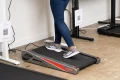
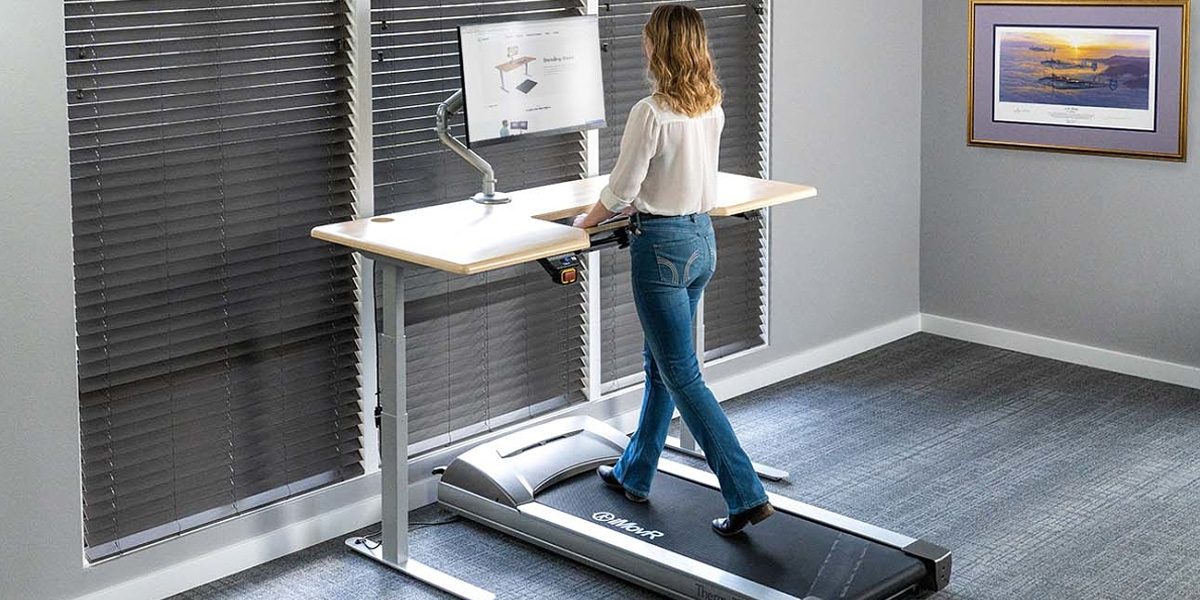
Walking at a desk is inherently constrained by the need to maintain a stable upper body position for typing or reading. This constraint forces the user into a specific biomechanical pattern. Because the speed is usually restricted to a slow, steady pace—typically between 1.0 to 2.0 mph—the stride length is significantly shorter than a natural outdoor walk.
This shorter stride often leads to a more pronounced heel-strike and a reduced push-off phase. While this is efficient for multitasking, it can lead to tight hip flexors over prolonged periods. The primary benefit here is the reduction of static loading on the lumbar spine, which occurs during prolonged sitting. By keeping the pelvis in a more neutral position, under desk treadmills help mitigate the “slumped” posture associated with traditional office chairs.
Outdoor Walking and Dynamic Gait
Outdoor walking is a complex neuromuscular activity. Unlike the predictable, flat surface of a treadmill belt, the outdoor environment offers uneven surfaces, inclines, and obstacles. These variables require the brain to constantly adjust the foot-strike angle and ankle stabilization.
📷 Photo by mymobileindia.com
When walking outdoors, your gait cycle is usually longer and more fluid. The push-off phase is more robust, engaging the gluteus maximus and hamstrings more effectively than a slow-paced desk treadmill session. Furthermore, the act of navigating around objects recruits core muscles for lateral stability, which is almost entirely absent in treadmill walking. This dynamic engagement improves proprioception—the body’s ability to sense its position in space—which is vital for long-term joint health.
Comparative Biomechanical Factors
| Factor | Under Desk Treadmill | Outdoor Walking |
|---|---|---|
| Stride Length | Short, constrained | Variable, natural |
| Core Engagement | Static, postural support | Dynamic, balance-focused |
| Joint Impact | Low, predictable | Moderate, terrain-dependent |
| Mental Focus | Task-oriented (sedentary) | Sensory-oriented (active) |
Common Biomechanical Errors
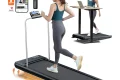
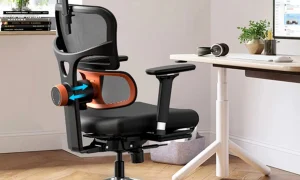
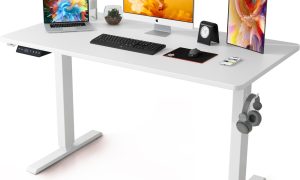
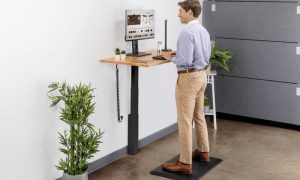
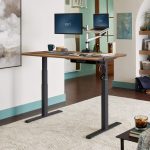
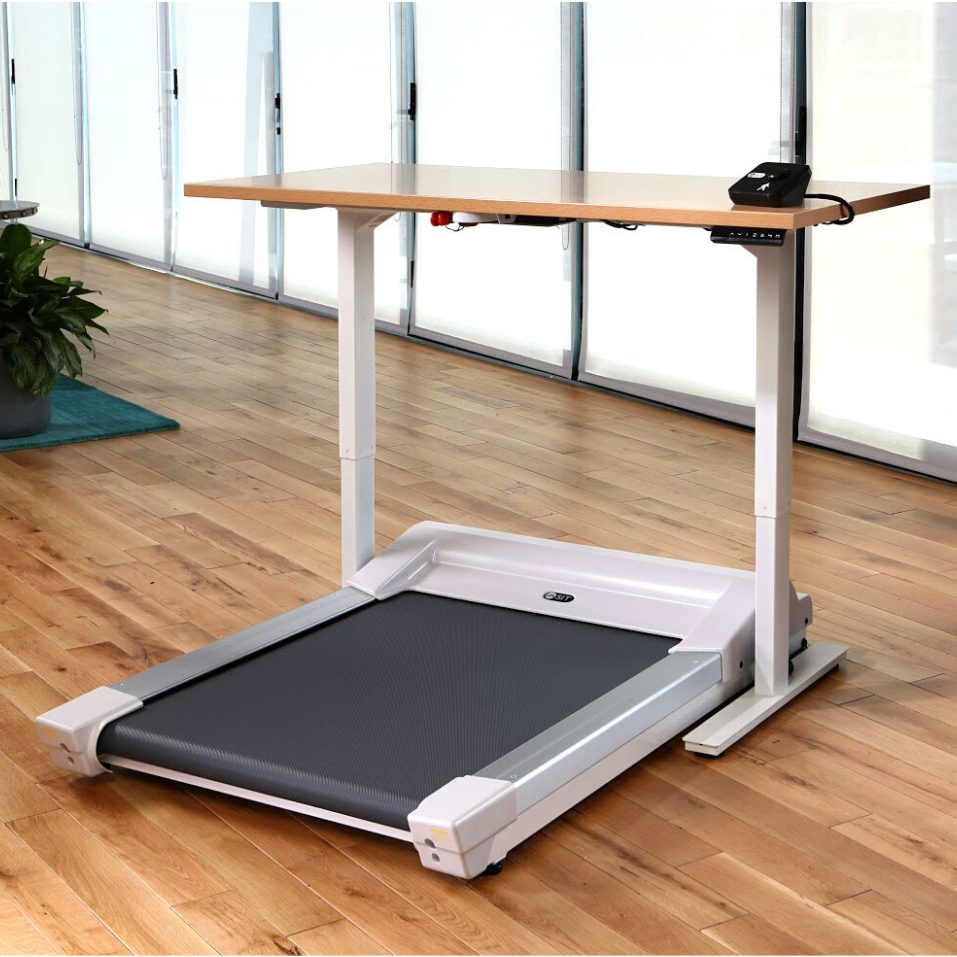
A frequent error for under desk treadmill users is the “hunching” effect. As the body fatigues, users tend to lean on their desk for support. This shifts the weight away from the core and puts excessive pressure on the shoulders and wrists, negating the postural benefits of the movement. It is crucial to maintain a height-adjustable desk that allows the arms to rest at a 90-degree angle without requiring the user to lean forward.
Conversely, outdoor walkers often make the mistake of wearing improper footwear. While treadmill belts are cushioned, asphalt and concrete are unforgiving. Walking outdoors requires shoes with adequate arch support and shock absorption to prevent plantar fasciitis and shin splints, especially if the walking surface is inconsistent.
Integration Guide: Optimizing Your Routine
To maximize the benefits of both modalities, consider following this balanced approach to your daily movement:
- Assess your workstation ergonomics; ensure your monitor is at eye level so that your neck remains in a neutral, upright position while walking.
- Start with 20-minute treadmill intervals, focusing on maintaining an upright posture rather than speed, to avoid fatigue-induced slouching.
- Incorporate at least one 30-minute outdoor walk during your lunch break to allow for a natural, full-stride gait that resets your hip mobility.
- Practice conscious breathing during both activities to ensure your diaphragm is fully engaged, which supports the spine better than shallow chest breathing.
- Monitor for tension in the lower back; if discomfort arises, stop the treadmill immediately and perform static hip flexor stretches to release the tightness caused by the treadmill’s restricted stride.
Risks and Considerations
The under desk treadmill is a tool for activity, not a replacement for athletic training. The primary risk is repetitive strain from maintaining a singular, repetitive gait for hours on end. Because the speed is low and the movement is repetitive, the muscles do not get the variety of stimulus they would receive from walking on a trail or city sidewalk. Ensure that you do not spend more than two hours at a time on the treadmill without taking a break to stand still or perform dynamic stretches.
Outdoor walking, while physically superior in terms of muscle recruitment, carries the risk of environmental stress. Weather conditions and uneven pavement can lead to slips or trips if the individual is distracted. Always prioritize safety and environmental awareness over step count goals.
Frequently Asked Questions
Q: Does walking at a desk burn as many calories as outdoor walking?
A: Generally, no. Outdoor walking typically involves a faster pace and more muscle recruitment due to terrain changes, leading to a higher caloric expenditure compared to the slow-paced, steady-state walking performed at a desk.
📷 Photo by bestproducts.com
Q: Can an under desk treadmill cause back pain if used incorrectly?
A: Yes. If the desk height is incorrect or if the user leans on the desk to support their weight, it can cause significant strain on the lumbar spine and shoulders, leading to chronic discomfort rather than the intended postural relief.
Q: Is it necessary to wear running shoes on an under desk treadmill?
📷 Photo by verywellfit.com
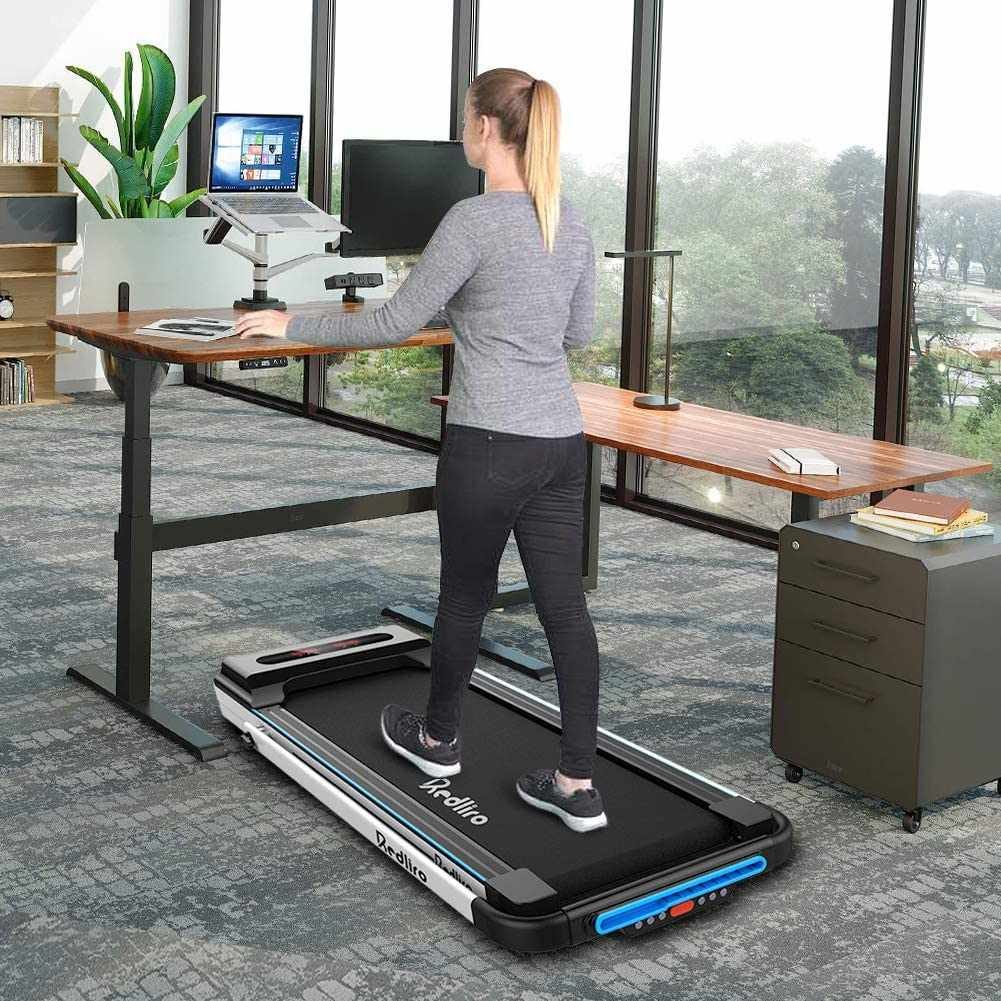
A: While you do not need high-performance running shoes, you should wear supportive footwear. Avoid walking barefoot or in flat, unsupportive dress shoes, as the repetitive impact on a hard treadmill deck can still lead to foot fatigue and alignment issues.
Ultimately, the choice between an under desk treadmill and outdoor walking is not about which is superior, but how each fits into your biomechanical needs. The treadmill serves as a solution for sedentary fatigue, while outdoor walking acts as a catalyst for functional movement and holistic health.
📷 Photo by inmovement.com