



Aploda.com – The 20-8-2 rule is a productivity and ergonomics framework that recommends sitting for 20 minutes, standing for 8 minutes, and moving or stretching for 2 minutes every half hour to optimize physical health and focus.
Understanding the 20-8-2 Protocol
Modern office life has tethered professionals to their chairs for hours on end, leading to a sedentary lifestyle that contributes to chronic back pain, metabolic slowdown, and reduced cognitive performance. The 20-8-2 rule serves as a practical antidote to the dangers of prolonged sitting. By breaking your hour into smaller, manageable segments, you prevent the static loading of your spine and keep your blood circulating effectively throughout the day.
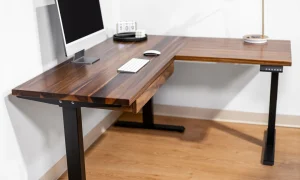
The beauty of this method lies in its simplicity. You do not need complex timers or expensive equipment beyond a height-adjustable desk. It acknowledges that while standing is better than sitting, standing for too long also places stress on the lower limbs and joints. This rule forces a rhythm of movement that resets your posture and refreshes your mental state.
Why Movement Matters More Than Just Standing
Many people make the mistake of switching from sitting all day to standing all day. This is often just as detrimental, as it can lead to varicose veins, foot fatigue, and joint pain. The 2-minute “move” portion of the 20-8-2 rule is the most crucial element. During these two minutes, you are encouraged to walk to the water cooler, perform simple desk stretches, or simply pace around your office.
This micro-break acts as a cognitive reset. Research suggests that short bursts of physical activity improve blood flow to the brain, which can help overcome the “afternoon slump.” By incorporating movement, you are not just caring for your skeletal system; you are actively engaging in stress reduction and maintaining higher levels of alertness.
The Breakdown of the 20-8-2 Cycle
To implement this successfully, you must view the 30-minute block as an integrated whole. The following table provides a quick reference for how to manage your workspace activities during a single cycle.
| Time Segment | Activity | Ergonomic Goal |
|---|---|---|
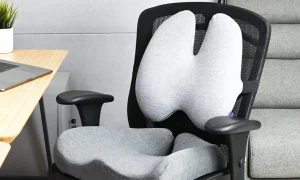
| 0-20 Minutes | Sitting | Focus on deep work with proper lumbar support. |
| 20-28 Minutes | Standing | Engage core muscles and lengthen the spine. |
| 28-30 Minutes | Moving | Stimulate circulation and release muscle tension. |
How to Implement the Rule Step-by-Step
Read also: Ergonomic Office Chair Caster Wheels: Rollerblade Wheels for Hardwood Floors
Transitioning to this routine requires habit formation rather than just willpower. Follow these steps to integrate the 20-8-2 rule into your daily workflow without disrupting your productivity.
- Set a gentle, recurring timer on your computer or phone for 30-minute intervals to remind you when to switch positions.
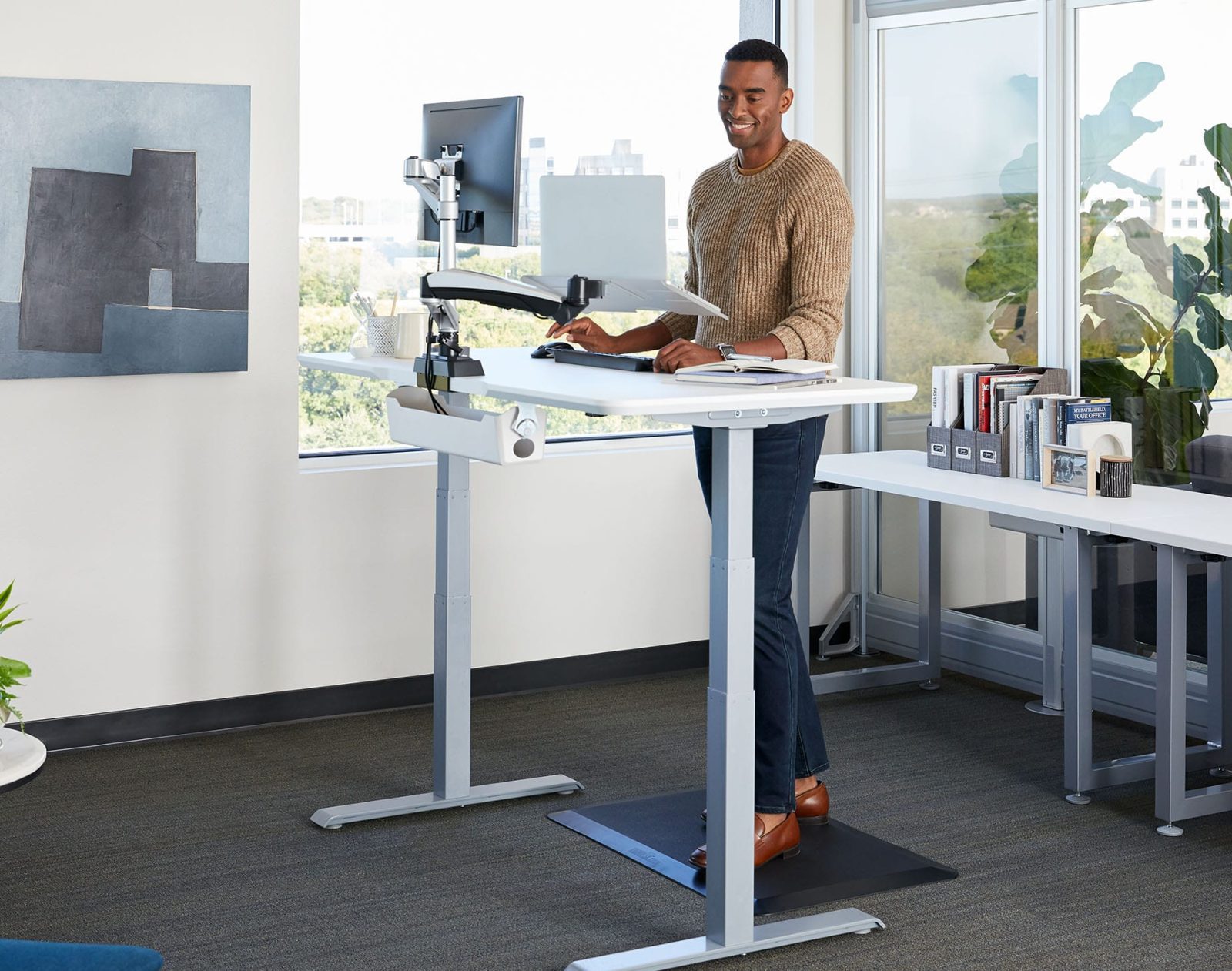
- Ensure your desk height is calibrated correctly; when standing, your elbows should be at a 90-degree angle to the desk surface.
- During the 2-minute movement phase, step away from your monitor entirely to give your eyes a rest from the blue light.
- Keep a pair of comfortable, supportive shoes near your desk if you find that standing on hard floors causes foot pain.
- Monitor your body’s feedback; if you feel pain, adjust the duration of your standing phase until your body builds the necessary endurance.
Common Mistakes and How to Avoid Them
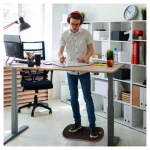
A frequent error is “static standing.” If you stand perfectly still for 8 minutes, you are essentially trading one form of static stress for another. Always shift your weight from foot to foot or use an anti-fatigue mat to soften the impact on your heels. Another mistake is ignoring the movement phase because you are “in the zone.” Remember that your brain requires oxygenated blood, which is best achieved through movement, not just posture changes.
📷 Photo by pinterest.com
You may also find that your productivity dips if you try to multitask while standing. Try to align your standing phase with tasks that are less intensive, such as checking emails, taking phone calls, or reviewing documents. Save your most complex, deep-work tasks for the 20-minute seated phase where you have the most stability.
Physical and Mental Benefits
The primary risk of failing to move is the accumulation of musculoskeletal disorders. By adhering to this rhythm, you reduce the pressure on your intervertebral discs. Furthermore, the 20-8-2 rule helps regulate blood sugar levels, as even minor muscle contractions help the body process glucose more efficiently than remaining completely sedentary.
Mentally, the structure provides a sense of progress throughout the day. Instead of looking at a massive 8-hour shift, you are operating in small, 30-minute sprints. This gamification of your workday can lead to higher job satisfaction and lower levels of mental fatigue by the time you clock out.
Frequently Asked Questions
Q: Can I skip the 2-minute movement phase if I am busy?
A: It is strongly discouraged. Those 2 minutes are vital for circulation and eye health; skipping them regularly diminishes the metabolic and cognitive benefits of the entire rule.
Q: Do I need a specialized standing desk to follow this?
A: While a height-adjustable desk is ideal, you can simulate the cycle by using a tall kitchen counter or a desk converter, provided you maintain proper ergonomic alignment.
Q: What if my feet hurt after only 5 minutes of standing?
A: Start with shorter standing intervals and gradually increase them as your core and leg strength improve; using an anti-fatigue mat can also significantly reduce discomfort.
Conclusion
The 20-8-2 rule is not just about standing; it is about intentionality. By respecting your body’s need for periodic change, you can sustain high performance while protecting your long-term health. Start small, stay consistent, and let your body adapt to this healthier rhythm of work.
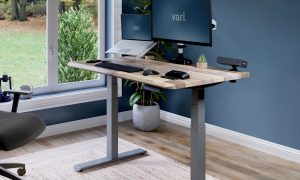
📷 Photo by vari.com