


Aploda.com – Balance board standing desk exercises for runners strengthen the stabilizer muscles around the ankle and improve proprioception, significantly reducing the risk of common overuse injuries like lateral ankle sprains and shin splints. By integrating these micro-movements into your workday, you build resilient connective tissues that withstand the repetitive impact of high-mileage training.
Why Runners Need Ankle Stability
Running is essentially a series of single-leg hops that require immense stability. When you run, your ankles must support your entire body weight while navigating uneven surfaces, road cambers, and fatigue. If the muscles surrounding the ankle—specifically the peroneals and the tibialis posterior—are weak, the joint becomes unstable.
A standing desk provides the perfect environment to address these deficits without adding extra time to your already busy training schedule. Using a balance board while working allows you to engage your stabilizing muscles in a low-impact, repetitive manner. This helps bridge the gap between sedentary desk work and high-intensity running performance.
The Mechanics of Ankle Strengthening
When you stand on a balance board, your body undergoes constant postural adjustments. These micro-adjustments force the small, intrinsic muscles of the foot and ankle to fire continuously. This is different from traditional gym strength training, which often focuses on large, prime-mover muscles. For runners, the ability to make rapid, subconscious adjustments is what prevents a rolled ankle on a trail or a sudden collapse in form during the final miles of a marathon.
Common Ankle Issues in Runners
Many runners suffer from chronic issues that stem from poor ankle mobility and weakness. Common symptoms include persistent soreness on the outside of the ankle, a feeling of “giving way” during runs, or tightness in the calves. These are often signs that the ankle joint is not properly supported by its surrounding musculature. Neglecting these signals can lead to more severe conditions like plantar fasciitis or Achilles tendinitis, as the body attempts to compensate for the lack of stability further up the kinetic chain.
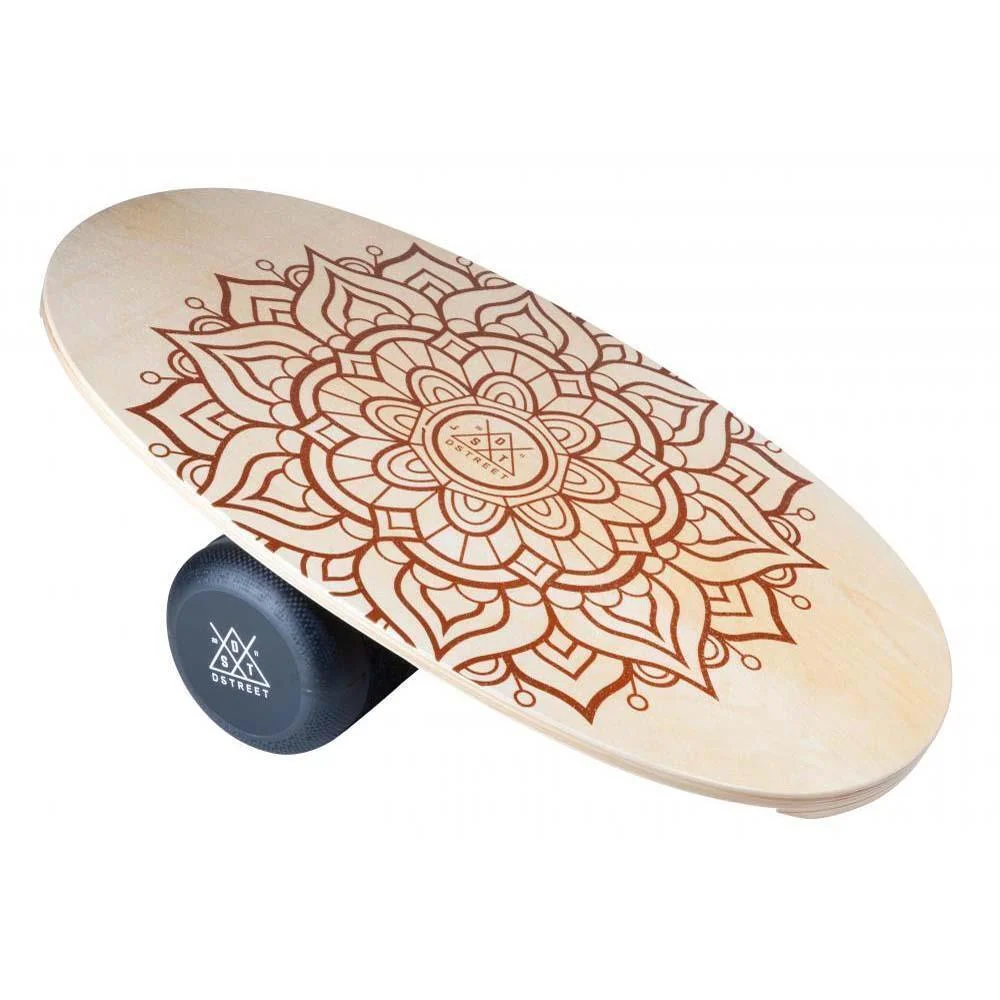
Comparison of Balance Board Types for Runners
| Board Type | Difficulty Level | Primary Benefit |
|---|---|---|
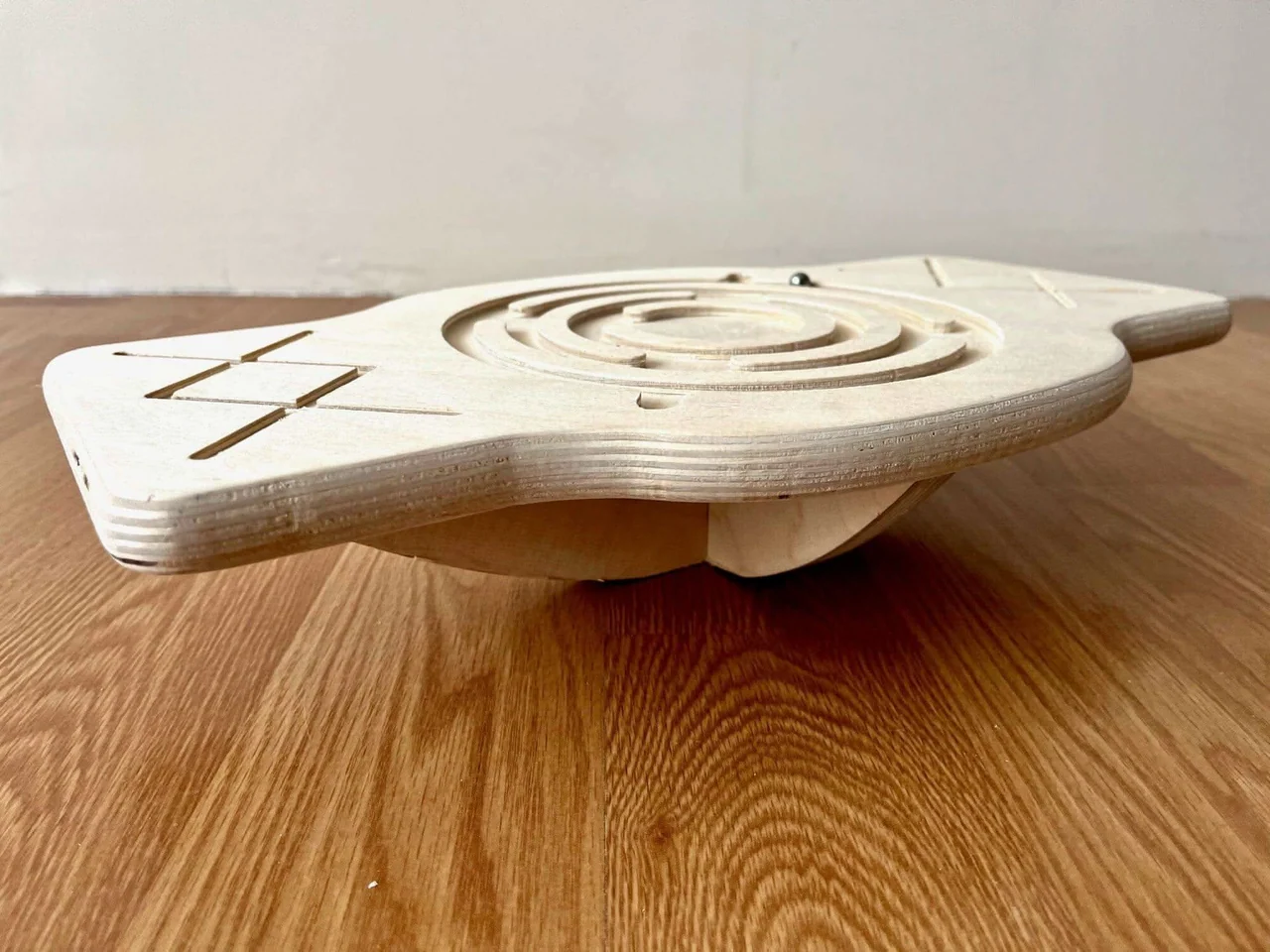
| Wobble Board | Low to Medium | Multi-directional stability and rehab |
| Rocker Board | Low | Focuses on sagittal plane (forward/backward) movement |
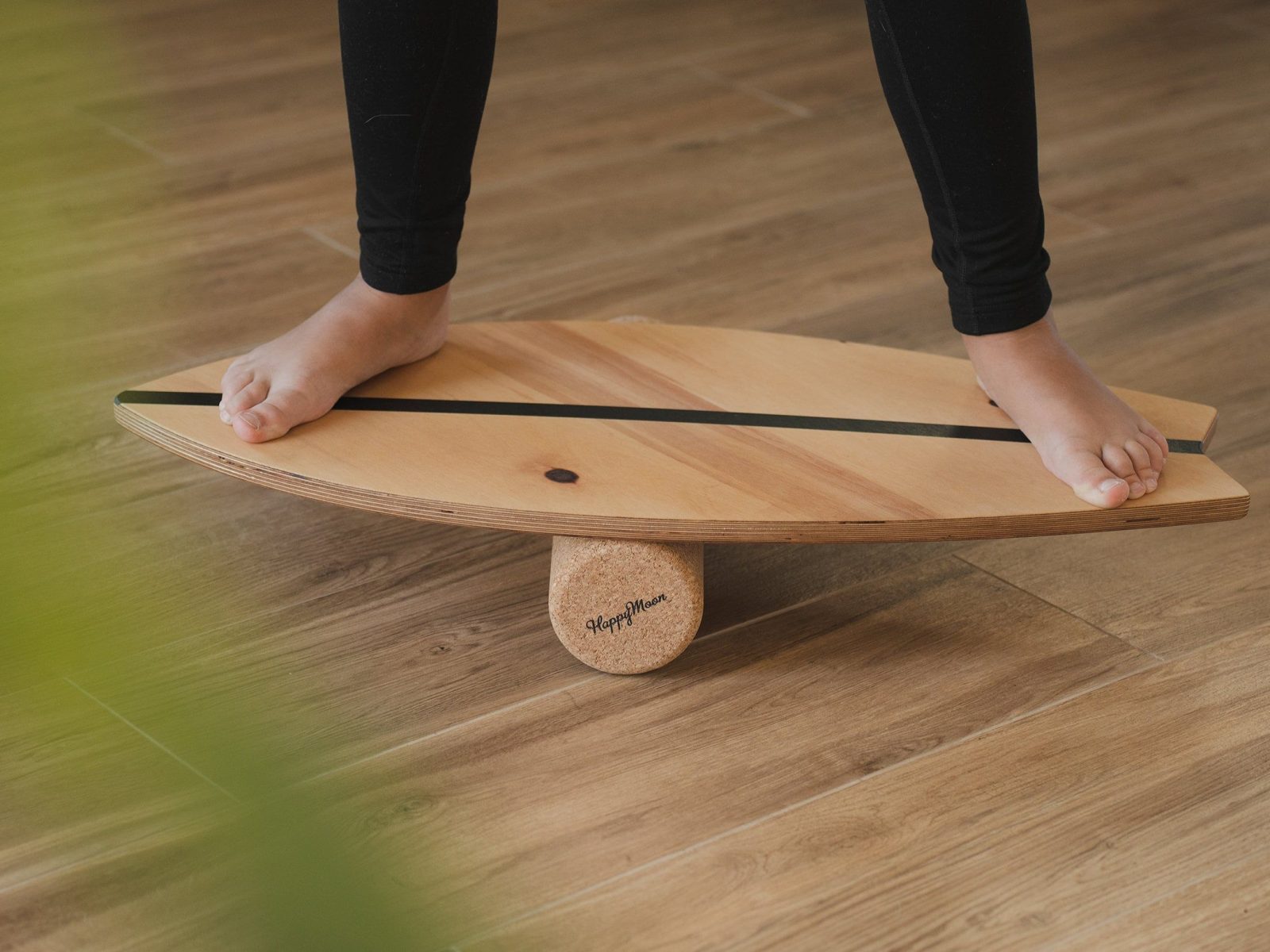
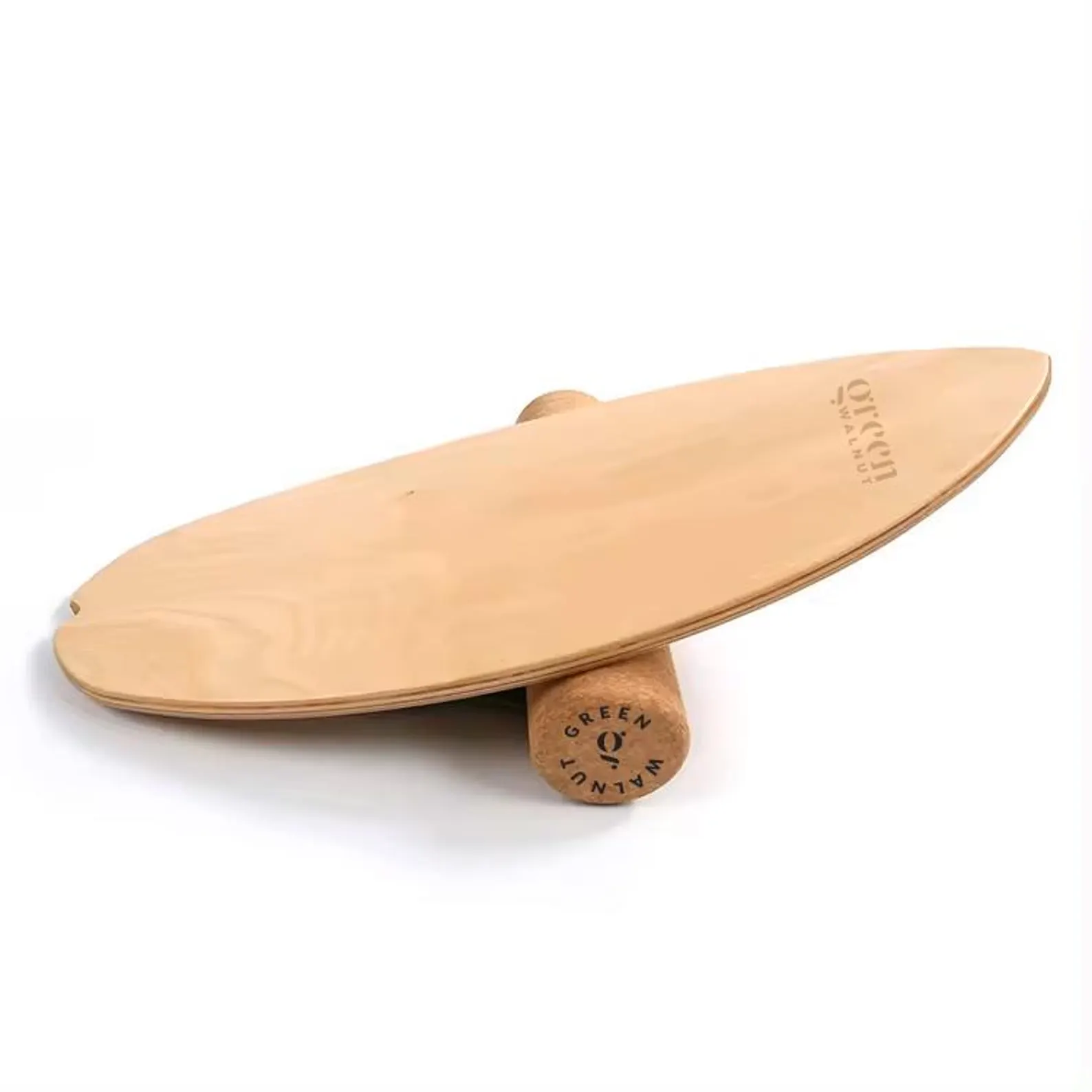
| Roller Board | High | Advanced core and ankle stabilization |
Step-by-Step Guide to Ankle Strengthening at Your Desk
To safely integrate this into your workday, follow these structured steps to ensure you are engaging the correct muscle groups without overworking your joints.
- Position your feet shoulder-width apart on the board, ensuring your desk is at a height where your elbows are at a 90-degree angle.
- Start with a “controlled oscillation” by gently shifting your weight from your toes to your heels, keeping your core braced and your gaze fixed on a stable point ahead.
- Move to side-to-side tilting, focusing on resisting the urge to let the board slam against the floor; the goal is a smooth, silent movement.
- Incorporate single-leg holds for 30 seconds per side while you read or type, which forces the ankle to work harder to maintain balance.
- Always end your session by stepping off and performing a calf stretch to release any tension built up during the balancing exercises.
Common Mistakes to Avoid
One of the biggest mistakes runners make is overusing the balance board to the point of fatigue before a run. If your stabilizing muscles are already exhausted from a long morning of balancing, they will not be able to protect your joints during your actual run. Treat your balance board time as a supplementary, low-intensity recovery or mobility session rather than a high-intensity workout.
Another error is poor posture. Many people hunch over their keyboard while balancing, which shifts the center of gravity and prevents the ankles from working in a neutral, athletic position. Always maintain an upright spine, with your shoulders back and down, to ensure that the work is happening at the ankle joint and not being compensated for by your lower back.
The Role of Proprioception
Proprioception is your body’s ability to perceive its position in space. For a runner, high proprioceptive awareness means your brain knows exactly where your foot is landing relative to the ground. Standing on a balance board heightens this sensory input. Over time, your nervous system becomes more efficient at recruiting the necessary muscles to stabilize your ankle the moment your foot makes contact with the road. This leads to a more efficient gait and a reduced reliance on rigid, high-support running shoes.
Building Consistency
You do not need to spend hours on the board. In fact, short, frequent bouts are more effective than one long, tiring session. Try to perform five minutes of balancing every hour you are at your desk. This “greasing the groove” approach keeps the stabilizing muscles alert and prevents the stiffness associated with prolonged standing or sitting.
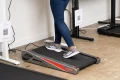
📷 Photo by kidodido.com
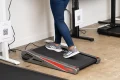
📷 Photo by pinterest.com
Frequently Asked Questions
Q: Can I use a balance board every day?
A: Yes, provided you keep the intensity low. It should feel like a mobility exercise rather than a strenuous workout that leaves your ankles feeling heavy or achy.
Q: What should I do if I feel pain while balancing?
A: Stop immediately. Balance training should be challenging for your muscles but never painful for your joints. If you experience sharp pain, consult a physical therapist to rule out an underlying injury.
Q: Does this replace my regular gym strength training?
A: No. Balance board work is a supplement to, not a replacement for, heavy compound lifts like squats, deadlifts, and calf raises, which are essential for building raw power and bone density in runners.
Final Thoughts on Long-Term Success
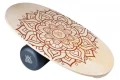
📷 Photo by etsy.com
Integrating balance board exercises into your desk routine is a game-changer for injury prevention. By turning your workspace into a dynamic training zone, you are investing in the longevity of your running career. Remember that the goal is not to master the board, but to use it as a tool to enhance your body’s natural stability. Listen to your body, stay consistent, and your ankles will thank you during your next long run.
📷 Photo by maskura.co.uk