

Aploda.com – Preventing foot swelling while standing at your desk involves a combination of frequent micro-movements, compression therapy, and proper footwear to counteract the effects of gravity and poor circulation. By actively engaging your calf muscles and optimizing your workstation ergonomics, you can effectively minimize fluid retention and discomfort throughout the workday.
Understanding Why Feet Swell During Desk Work
When you stand for extended periods, your body faces a significant challenge: gravity. The blood and lymphatic fluid in your legs must fight against a downward pull to return to the heart. When you remain stationary, your calf muscles—which act as a “second heart” to pump blood back up—remain inactive. This lack of muscle contraction causes fluid to pool in the lower extremities, leading to edema, or swelling.
This condition is often exacerbated by tight clothing, high temperatures, and a lack of hydration. If left unaddressed, persistent swelling can lead to chronic venous insufficiency, skin discoloration, and significant discomfort that impacts your productivity and overall well-being.
Key Strategies to Improve Circulation
The most effective way to prevent swelling is to keep blood flowing. Even if your job requires you to be at a desk, you have more control over your movement than you might think. Small, frequent shifts in posture help keep the venous system active.
Consider the following practical steps to maintain circulation throughout the day:
- Perform Desk-Based Calf Raises: Every 20 minutes, perform 15 to 20 slow calf raises while standing. This rhythmic contraction forces the blood out of the veins in your lower legs and back toward your heart.
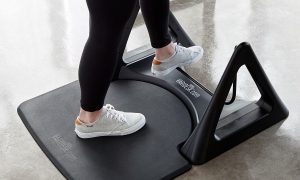
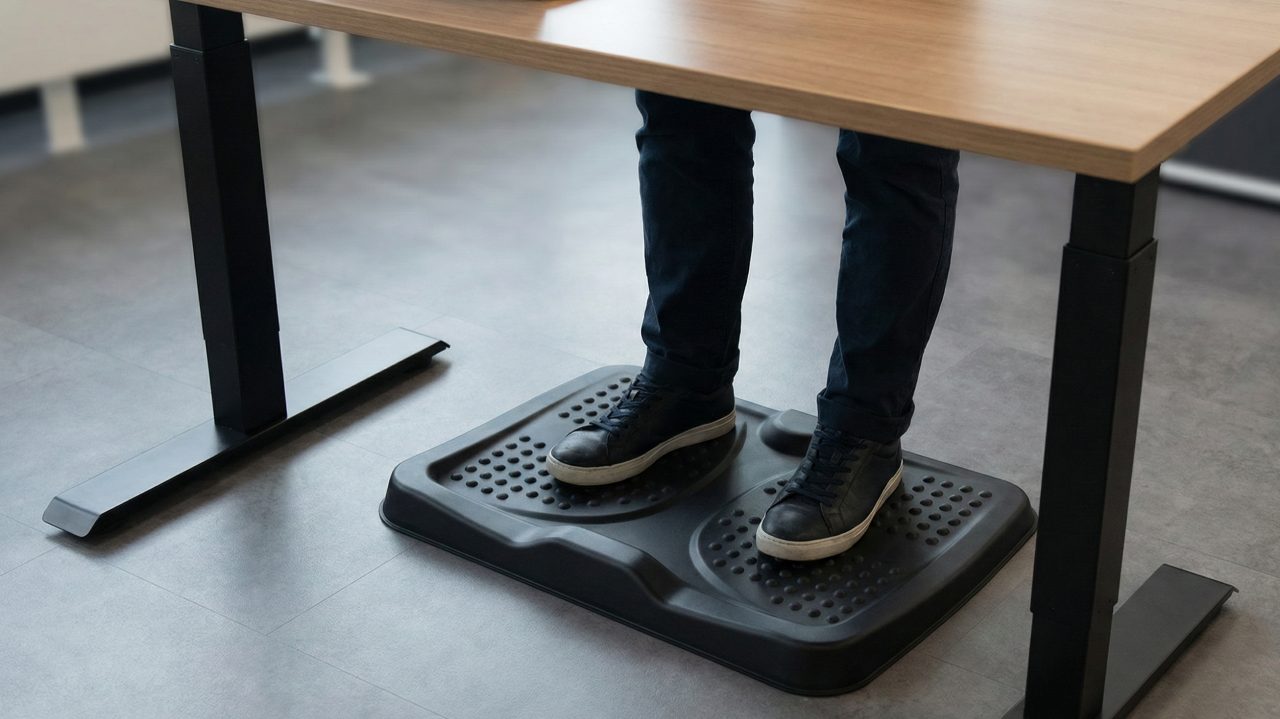
- Utilize an Anti-Fatigue Mat: Standing on a hard surface like tile or concrete increases pressure on your feet. An anti-fatigue mat provides a cushioned surface that encourages subtle, involuntary micro-movements in your leg muscles.
- Shift Your Weight Regularly: Avoid “locking” your knees. Keep a slight bend in your knees and consciously shift your weight from foot to foot or from heel to toe every few minutes.
- Hydrate Intelligently: While it seems counterintuitive, drinking plenty of water helps flush out excess sodium, which is a primary contributor to fluid retention.
- Elevate During Breaks: Whenever you take a lunch or coffee break, attempt to elevate your feet above the level of your heart for at least five minutes to help drain the accumulated fluid.
Tools and Gear for Optimal Leg Health
Investing in the right equipment can make a monumental difference in how your feet feel at the end of the day. Many professionals overlook the importance of compression and support until they start experiencing pain. Use the following table to understand which tools are best suited for your specific work environment.
| Tool/Strategy | Primary Benefit | Best For |
|---|---|---|
| Compression Socks | Applies graduated pressure to move fluid upward | Long standing shifts (8+ hours) |
| Anti-Fatigue Mat | Reduces impact and encourages muscle activation | Hard flooring surfaces |
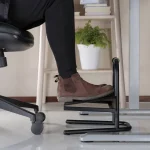
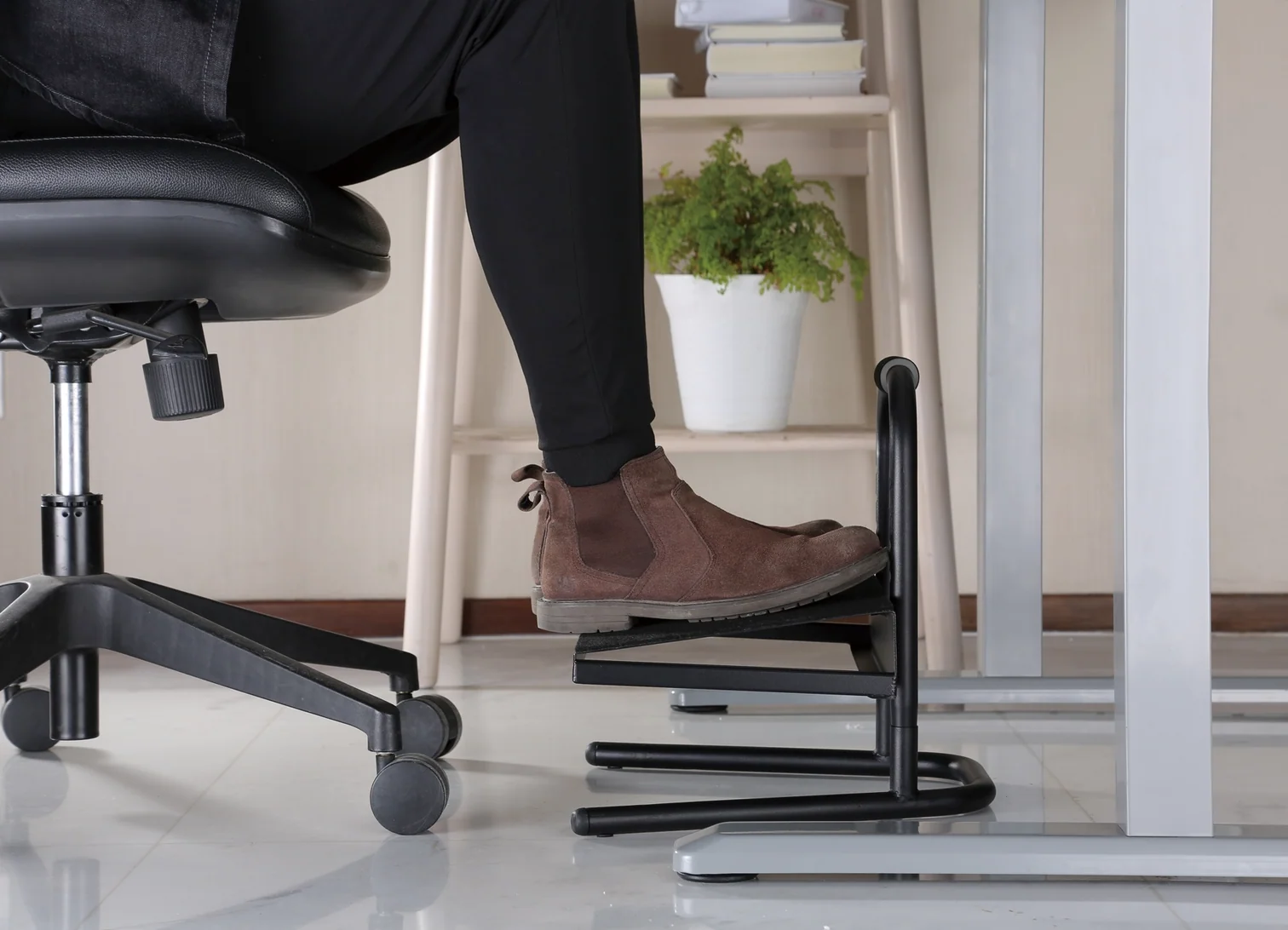
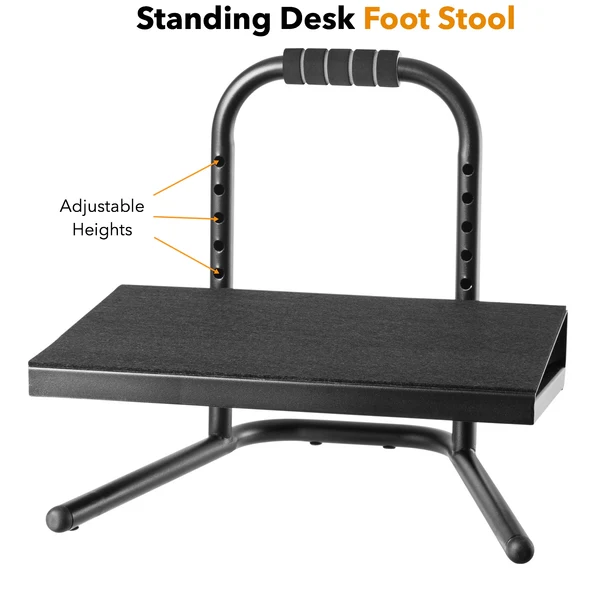
| Ergonomic Footrest | Allows for varied leg positioning and elevation | Hybrid sit-stand workstations |
| Supportive Footwear | Provides arch support and prevents arch collapse | General daily comfort |
Common Mistakes That Worsen Swelling
Many people inadvertently make their swelling worse by trying to “power through” the discomfort. One of the most common mistakes is wearing tight-fitting socks or stockings that have elastic bands at the top. These act like a tourniquet, restricting blood flow and trapping fluid in the feet. Always opt for non-binding socks or medical-grade compression gear.
Another frequent error is failing to manage salt intake. High-sodium lunches—often found in processed “grab-and-go” meals—cause the body to hold onto extra water. This excess fluid has nowhere to go but down, making your feet feel heavy and tight by the mid-afternoon.
📷 Photo by linkedin.com
When to Seek Professional Advice
While occasional foot swelling from standing is common, it is important to know when to see a doctor. If the swelling is asymmetrical (only one foot is swollen), is accompanied by chest pain, shortness of breath, or if the skin feels hot and red to the touch, you should seek medical attention immediately. These can be signs of more serious conditions like deep vein thrombosis (DVT) or heart-related issues.
For most, however, the solution lies in a consistent routine. By integrating movement, proper footwear, and mindful habits, you can protect your vascular health while maintaining your professional duties. Consistency is the secret; even small changes made consistently throughout the day yield the best long-term results.
Frequently Asked Questions
Q: Are compression socks actually effective for standing all day?
A: Yes, medical-grade graduated compression socks are highly effective. They apply the most pressure at the ankle and gradually decrease pressure moving up the leg, which helps blood return to the heart more efficiently.
Q: How does a standing desk contribute to foot swelling compared to a sitting desk?
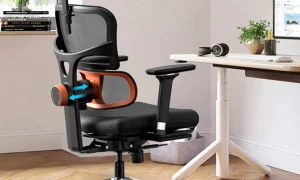
A: While sitting for too long can cause pooling due to bent knees, standing for too long causes pooling due to gravity and lack of calf muscle movement. Both extremes are problematic, which is why a sit-stand desk that allows for frequent position changes is the gold standard.
📷 Photo by deskriser.com
Q: Should I use cold water to reduce swelling after work?
A: Soaking your feet in cool water can help constrict blood vessels and reduce the sensation of heat and inflammation associated with swelling. It is a great way to recover after a long shift, though it should be paired with elevation for maximum effect.
📷 Photo by deskriser.com