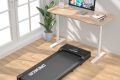
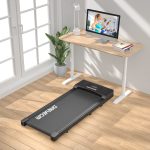


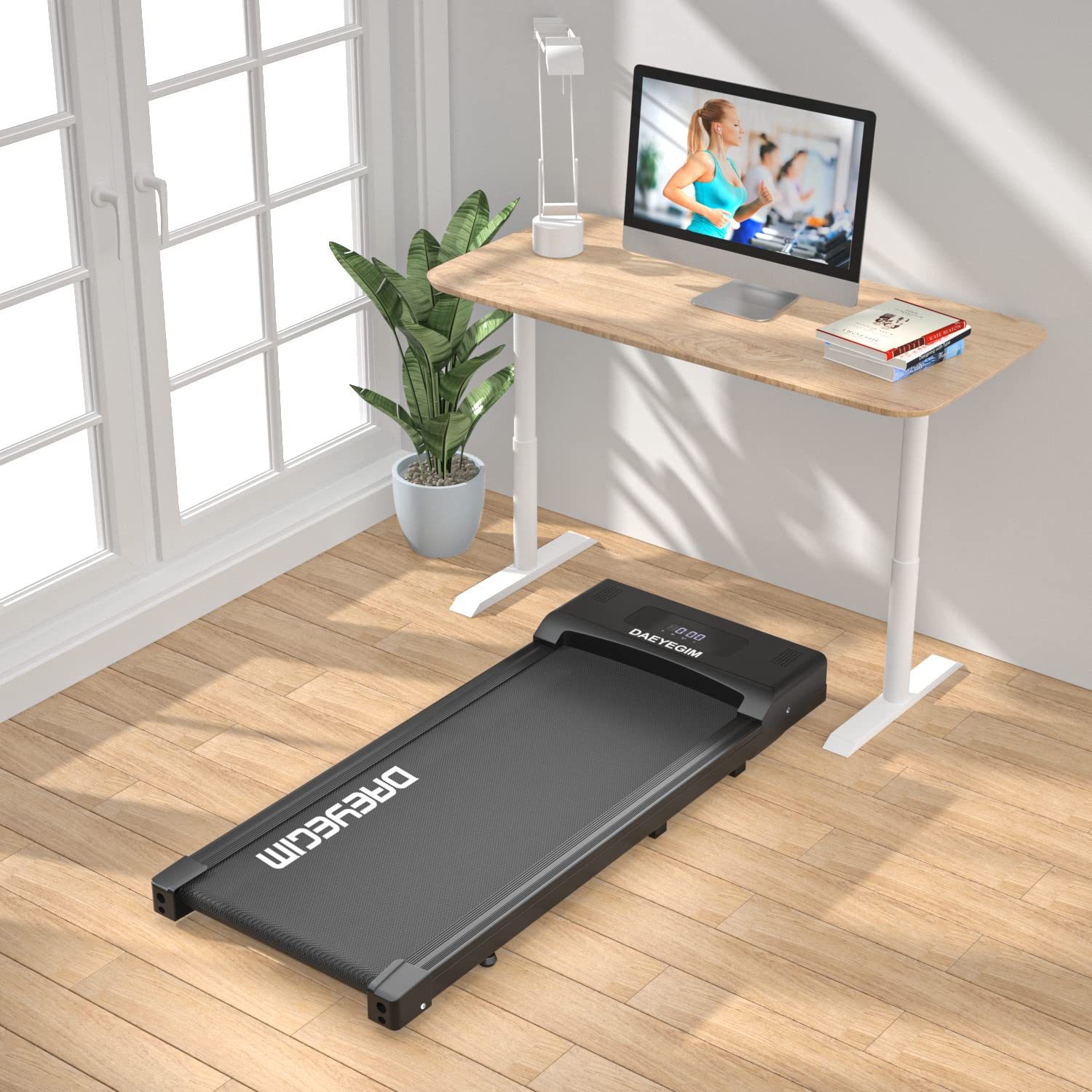
Aploda.com – Under desk treadmills are generally safe for carpeted floors, provided you use a protective floor mat to prevent motor overheating, machine instability, and pile damage. Without a stable surface, the treadmill can sink into the carpet, causing mechanical strain and uneven wear on the belt.
The growing popularity of active workstations has led many professionals to bring fitness into their home offices. However, the intersection of heavy, motorized equipment and plush carpeting creates unique challenges. When you place a treadmill directly on a carpet, you are not just dealing with aesthetic issues; you are fundamentally altering the mechanical environment in which the device is designed to operate.
The Physics of Carpet and Treadmill Interaction
Treadmills are engineered to sit on flat, rigid surfaces like hardwood, tile, or concrete. When placed on carpet, the weight of the machine causes the padding to compress unevenly. This creates a “sinking” effect, which can lead to several immediate problems. The most critical issue is the airflow beneath the motor housing. Most under-desk treadmills draw air from the bottom to cool the motor; if the carpet fibers block these vents, the motor can quickly overheat, leading to premature failure or even a fire hazard.
Furthermore, the lack of a firm foundation causes the treadmill frame to flex as you walk. This movement puts unnecessary stress on the joints of the machine, which can loosen bolts and cause the belt to drift. Over time, this instability can lead to an uneven gait, causing you to trip or suffer from ankle and knee strain rather than gaining the health benefits of walking.
Essential Requirements for Carpet Usage
If you must use your treadmill on a carpeted surface, you cannot simply place it down and start walking. You need a buffer layer that creates a rigid platform. A high-density equipment mat is the industry standard for this purpose. These mats are typically made of thick, compressed PVC or rubber that distributes the weight of the treadmill across a wider area, preventing it from sinking into the carpet.
When selecting a mat, avoid thin yoga mats, which are too soft and will only exacerbate the instability. Look for mats specifically marketed for heavy fitness equipment. They should be firm enough to resist compression and wide enough to extend at least two inches beyond the footprint of your treadmill on all sides.
| Feature | Directly on Carpet | On Protective Mat |
|---|---|---|
| Airflow to Motor | Blocked/Restricted | Unobstructed |
| Frame Stability | Wobbles/Flexes | Rigid and Secure |
| Carpet Damage | Deep Indentations/Piling | Minimal/No Damage |
| Noise Level | Muffled but Vibrating | Reduced Vibration |
Step-by-Step Installation Guide
Follow these steps to ensure your treadmill setup is safe and effective when working on top of a carpeted floor:
- Clear the area of any furniture or debris to ensure the floor is as level as possible before placing the equipment.
- Place your high-density equipment mat down, ensuring it is perfectly flat and free of wrinkles or folds.
- Position the treadmill on the center of the mat, ensuring that all four corners of the machine have equal support.
- Check for “rocking” by pressing down on the corners of the treadmill; if it moves, adjust the leveling feet on the machine until it is rock-solid.
- Verify that the motor intake vents are not obstructed by the edges of the mat or carpet fibers.
- Conduct a test walk at a slow speed for five minutes to ensure the belt tracks correctly and the frame remains stable under your body weight.
Common Mistakes to Avoid
One of the biggest mistakes users make is ignoring the “break-in” period for their carpet. Even with a mat, high-pile or “shag” carpets are inherently unstable. If your carpet has a very deep pile, you may need to place a piece of plywood or a rigid plastic office chair mat underneath the equipment mat to provide a truly solid foundation. Never use cardboard as a substitute for a proper mat; it will compress and disintegrate under the weight of the treadmill, providing no long-term protection.
Another frequent oversight is neglecting the maintenance of the treadmill belt. When a treadmill is on a carpet, it is more likely to accumulate dust and carpet fibers in the motor housing. You should increase the frequency of your cleaning schedule, using a vacuum or compressed air to clear the motor area every two weeks to prevent dust buildup from causing electrical issues.
Long-Term Risks
The long-term risk of ignoring these precautions is not just a broken treadmill—it is the potential for structural damage to your flooring. Heavy equipment left in one spot for months can leave permanent indentations in the carpet padding. Additionally, if the treadmill generates excess heat due to poor ventilation, it can scorch the carpet fibers beneath the unit. By taking the time to set up a proper interface between your machine and the floor, you protect both your investment in your health and the integrity of your home environment.
Frequently Asked Questions
Q: Can I use a yoga mat instead of a dedicated treadmill mat?
A: No. Yoga mats are designed for cushioning and grip, not for load distribution. They are too soft and will cause the treadmill to wobble, which can damage the machine’s internal components and create an unstable walking surface.
Q: How do I know if my treadmill is overheating?
A: If you notice a burning smell, if the machine stops abruptly, or if the motor casing feels unusually hot to the touch, turn it off immediately. These are signs that the motor is working too hard, likely because it cannot draw enough air due to carpet obstruction.
Q: Will a mat completely silence the noise of the treadmill?
A: While a mat will significantly dampen vibration and noise transmission through the floor, it cannot eliminate the mechanical sound of the motor or the impact of your feet on the belt. It is an effective tool for noise reduction, but not a soundproofing solution.
📷 Photo by snapklik.com